
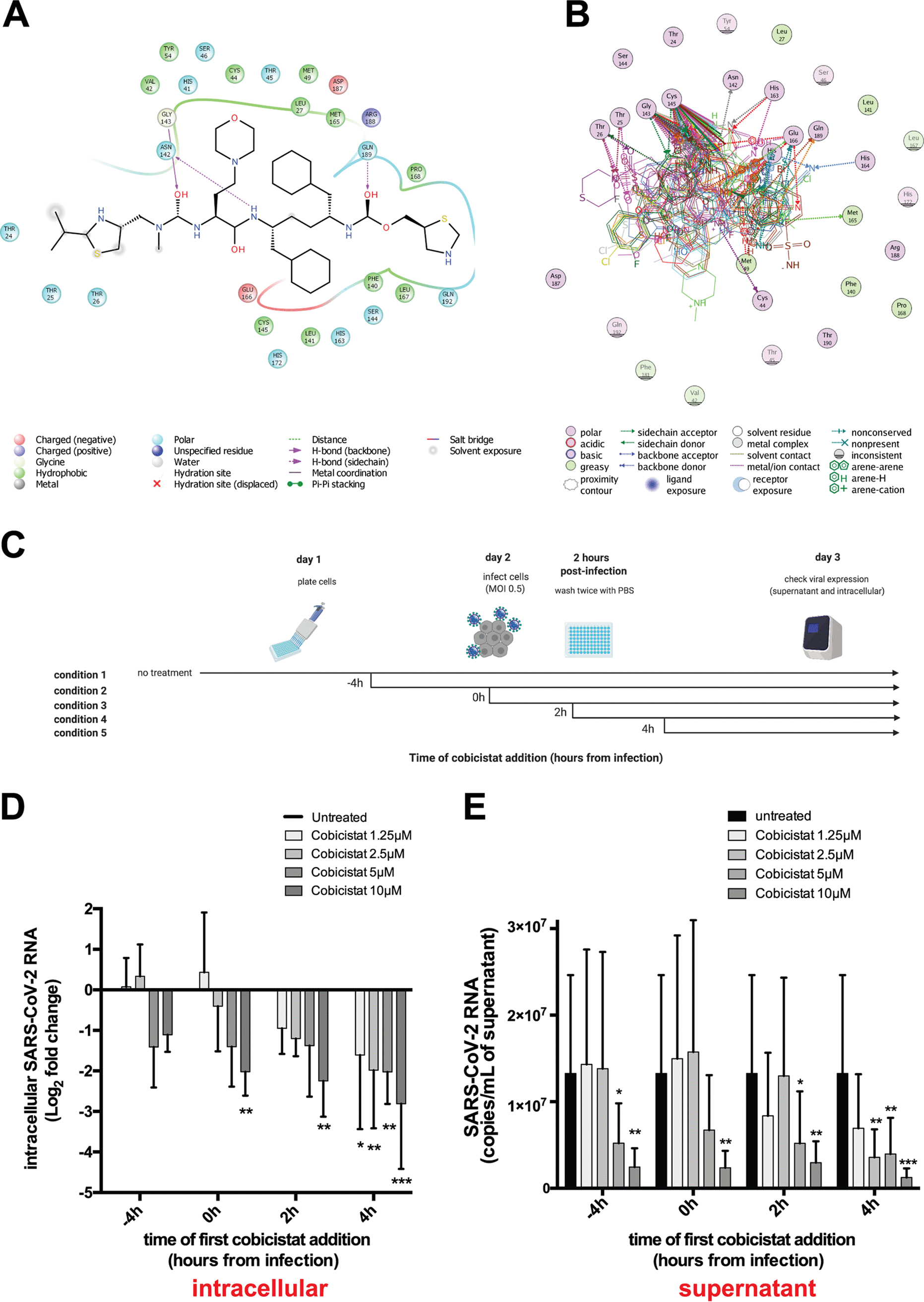
The FDA-Approved Drug Cobicistat Synergizes with Remdesivir to Inhibit SARS-CoV-2 Replication in Vitro and Decreases Viral Titers and Disease Progression in Syrian Hamsters
Combinations of direct-acting antivirals are needed to minimize drug resistance mutations and stably suppress replication of RNA viruses. Currently, there are limited therapeutic options against the severe acute respiratory syndrome coronavirus 2 (SARS-CoV-2), and testing of a number of drug regimens has led to conflicting results. Here, we show that cobicistat, which is an FDA-approved drug booster that blocks the activity of the drug-metabolizing proteins cytochrome P450-3As (CYP3As) and P-glycoprotein (P-gp), inhibits SARS-CoV-2 replication. Two independent cell-to-cell membrane fusion
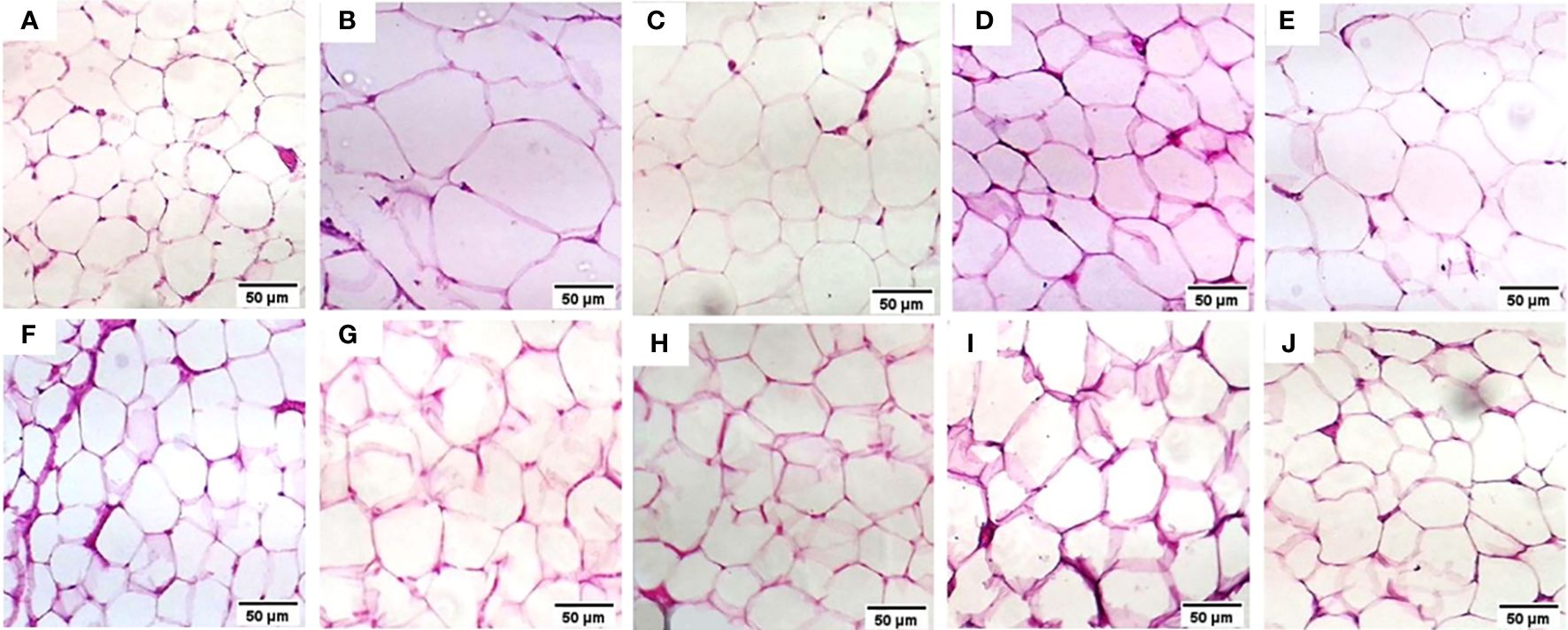
Comprehensive machine learning models for predicting therapeutic targets in type 2 diabetes utilizing molecular and biochemical features in rats
Introduction: With the increasing prevalence of type 2 diabetes mellitus (T2DM), there is an urgent need to discover effective therapeutic targets for this complex condition. Coding and non-coding RNAs, with traditional biochemical parameters, have shown promise as viable targets for therapy. Machine learning (ML) techniques have emerged as powerful tools for predicting drug responses. Method: In this study, we developed an ML-based model to identify the most influential features for drug response in the treatment of type 2 diabetes using three medicinal plant-based drugs (Rosavin, Caffeic
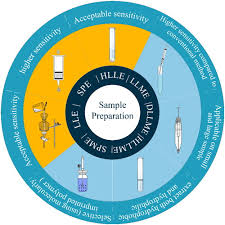
Analytical Methods for the Determination of Quercetin and Quercetin Glycosides in Pharmaceuticals and Biological Samples
Flavonoids are plant-derived compounds that have several health benefits, including antioxidative, anti-inflammatory, anti-mutagenic, and anti-carcinogenic effects. Quercetin is a flavonoid that is widely present in various fruits, vegetables, and drinks. Accurate determination of quercetin in different samples is of great importance for its potential health benefits. This review, is an overview of sample preparation and determination methods for quercetin in diverse matrices. Previous research on sample preparation and determination methods for quercetin are summarized, highlighting the
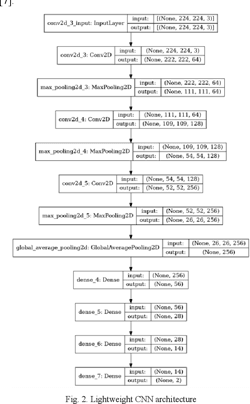
Light-Weight Food/Non-Food Classifier for Real-Time Applications
Today, automatic food/non-food classification became extremely important for many real-time applications, specifically since the pandemic of the COVID-19 virus. Such that the 'no food policy' now became applied more than ever to help decrease the spread of the COVID-19 virus. Consequently, many studies used deep neural networks for the food/non-food classification task, yet these deep neural networks were computationally expensive. As a result, in this paper, a lightweight Convolution Neural Network (CNN) is proposed and put into use for classifying foods and non-foods. Compared to prior
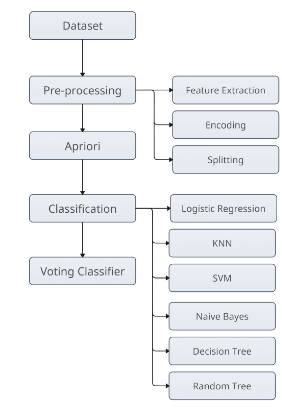
Customer Churn Prediction Using Apriori Algorithm and Ensemble Learning
Customer churn poses a formidable challenge within the Telecom industry, as it can result in significant revenue losses. In this research, we conducted an extensive study aimed at developing a viable customer churn prediction method. Our method utilizes the Apriori algorithm's strength to identify the key causes of customer churn. In the pursuit of this goal, we utilized multiple machine learning predictive models. All of which were developed from the insights gleaned from the Apriori algorithm's feature extraction for churning customers. This extensive analysis encompassed a spectrum of

A (k,n)-Secret Image Sharing With Steganography Using Generalized Tent Map
Secret Image Sharing (SIS) transfers an image to mutually suspicious receivers as n meaningless shares, where k or more shares must be present to recover the secret. This paper proposes a (k, n)-SIS system for any image type using polynomial interpolation based on Lagrange polynomials, where the generated shares are of size 1/k of the secret image size. A full encryption system, consisting of substitution and permutation stages, is employed by using the generalized Tent map as a source of randomness. In addition to using a long and sensitive system key, steganography using the Least
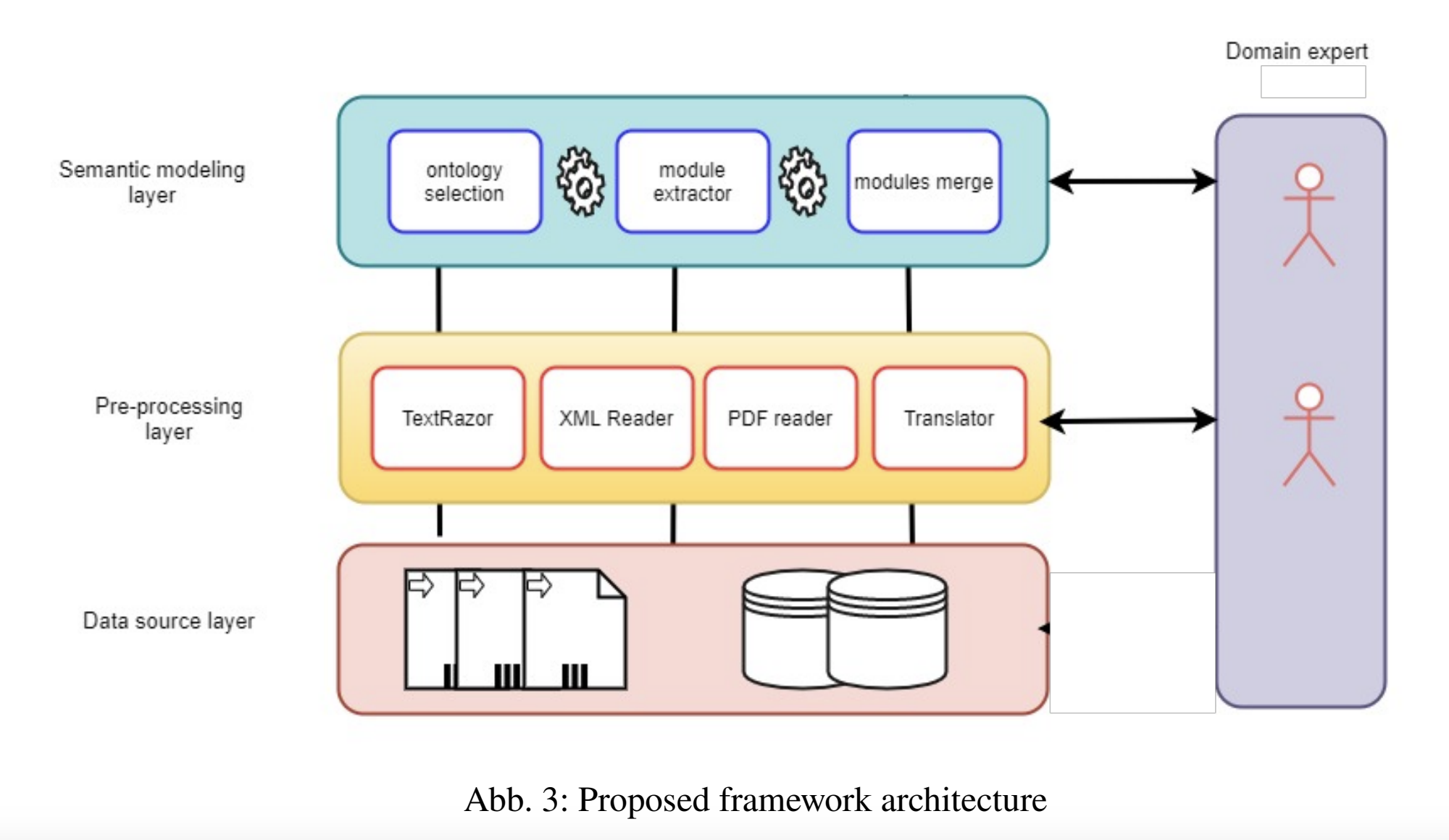
A Core Ontology to Support Agricultural Data Interoperability
The amount and variety of raw data generated in the agriculture sector from numerous sources, including soil sensors and local weather stations, are proliferating. However, these raw data in themselves are meaningless and isolated and, therefore, may offer little value to the farmer. Data usefulness is determined by its context and meaning and by how it is interoperable with data from other sources. Semantic web technology can provide context and meaning to data and its aggregation by providing standard data interchange formats and description languages. In this paper, we introduce the design
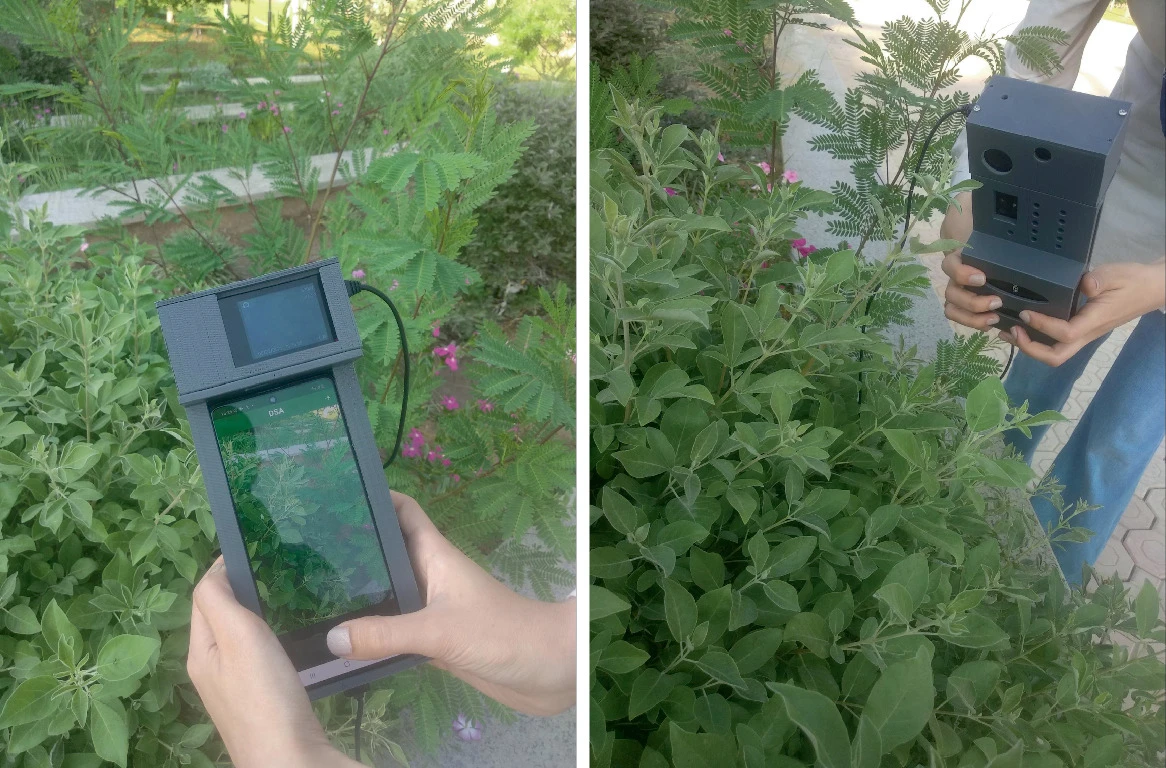
Rice Plant Disease Detection and Diagnosis Using Deep Convolutional Neural Networks and Multispectral Imaging
Rice is considered a strategic crop in Egypt as it is regularly consumed in the Egyptian people’s diet. Even though Egypt is the highest rice producer in Africa with a share of 6 million tons per year [5], it still imports rice to satisfy its local needs due to production loss, especially due to rice disease. Rice blast disease is responsible for 30% loss in rice production worldwide [9]. Therefore, it is crucial to target limiting yield damage by detecting rice crops diseases in its early stages. This paper introduces a public multispectral and RGB images dataset and a deep learning pipeline
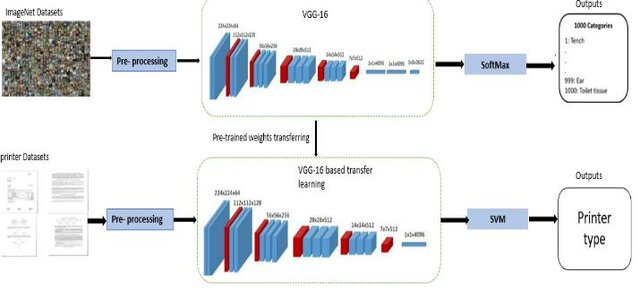
An Efficient Source Printer Identification Model using Convolution Neural Network (SPI-CNN)
Document forgery detection is becoming increasingly important in the current era, as forgery techniques are available to even inexperienced users. Source printer identification is a method for identifying the source printer and classifying the questioned document into one of the printer classes. According to what we know, most earlier studies segmented documents into characters, words, and patches or cropped them to obtain large datasets. In contrast, in this paper, we worked with the document as a whole and a small dataset. This paper uses three techniques dependent on CNN to find the
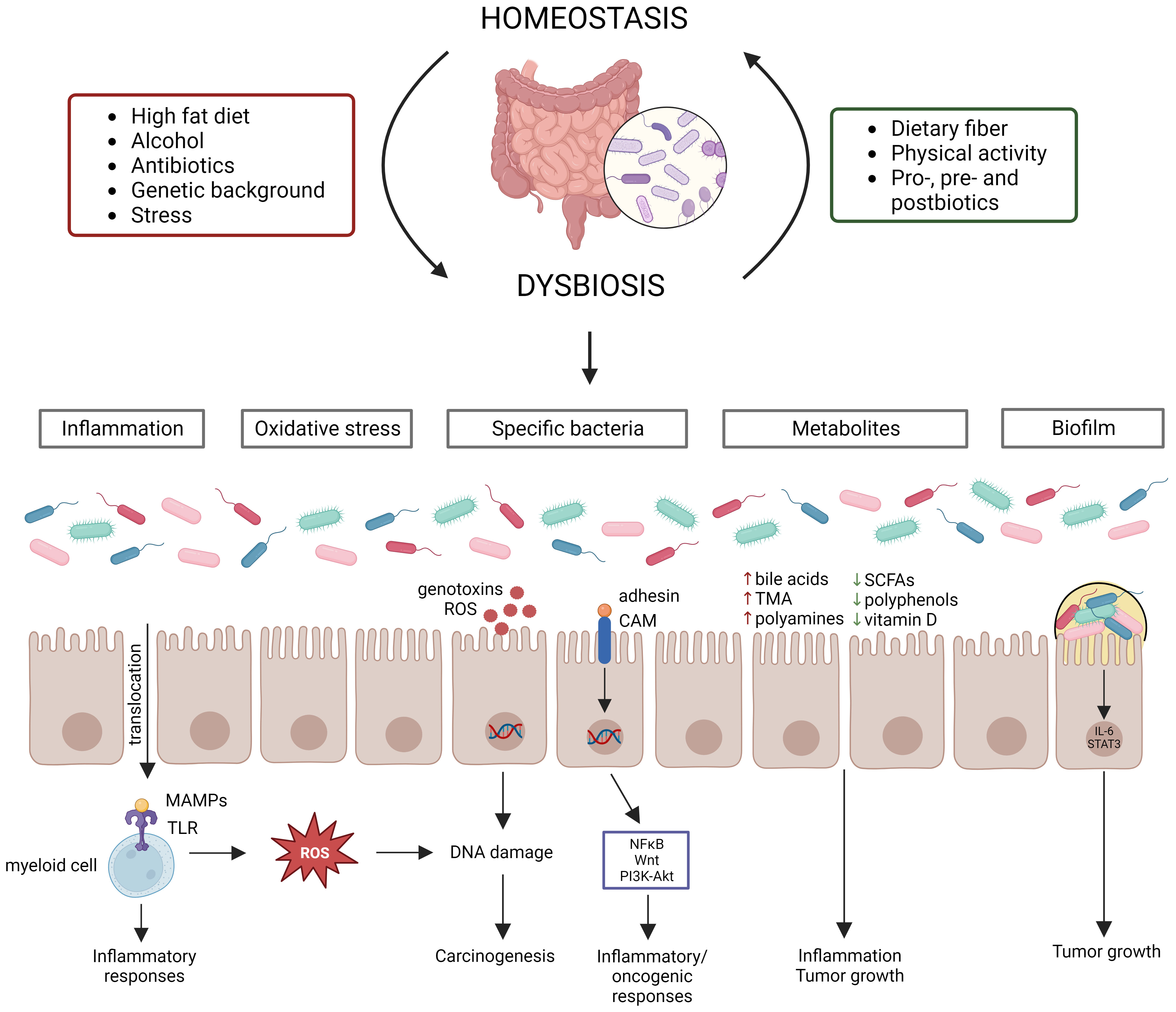
Dissecting the role of the gut microbiome and fecal microbiota transplantation in radio- and immunotherapy treatment of colorectal cancer
Colorectal cancer (CRC) is one of the most commonly diagnosed cancers and poses a major burden on the human health worldwide. At the moment, treatment of CRC consists of surgery in combination with (neo)adjuvant chemotherapy and/or radiotherapy. More recently, immune checkpoint blockers (ICBs) have also been approved for CRC treatment. In addition, recent studies have shown that radiotherapy and ICBs act synergistically, with radiotherapy stimulating the immune system that is activated by ICBs. However, both treatments are also associated with severe toxicity and efficacy issues, which can