
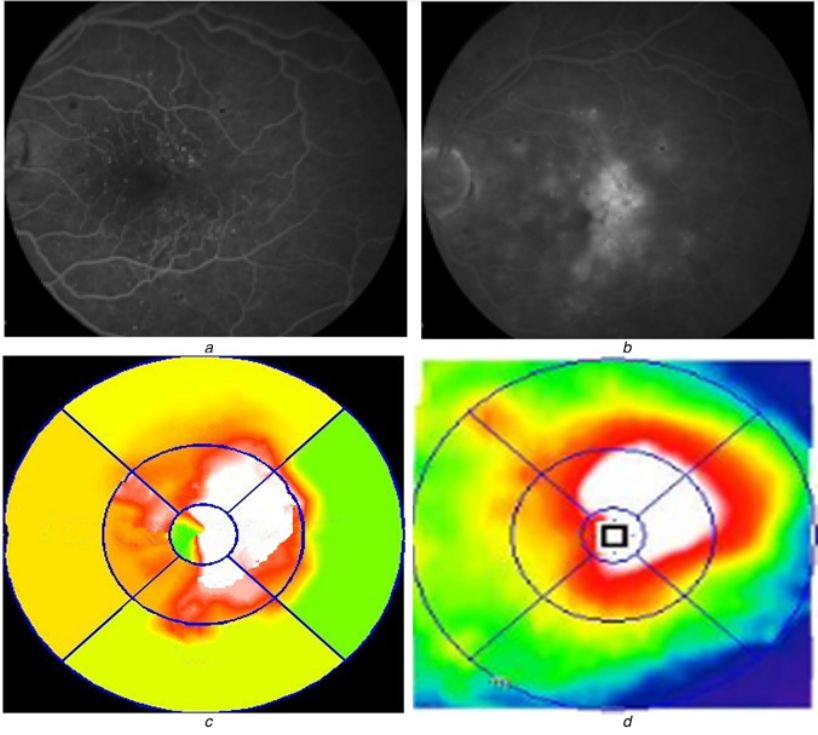
Computer-aided analysis of fluorescein angiograms using colour leakage maps
Fundus fluorescein angiography (FFA) is a standard screening and diagnosis technique for several retinal diseases. The analysis of FFA images is performed qualitatively by skilled observers, and thus is vulnerable to inter- and intra-observer variability. In this study, the authors present a method for computer-aided analysis of FFA images. The method is based on generating quantitative colour fluorescein leakage maps (FLM) that mimic the thickness maps generated by the optical coherence tomography (OCT). Results from 64 patients show strong correlation between the FLM and OCT thickness maps

Change analysis for gait impairment quantification in smart environments
Visual Sensor Networks (VSNs) open up a new realm of smart autonomous applications based on enhanced three- dimensional sensing and collaborative reasoning. An emerging VSN application domain is pervasive healthcare delivery where gait information computed from distributed vision nodes is used for observing the wellbeing of the elderly, quantifying post-operative patient recovery and monitoring the progression of neurodegenerative diseases such as Parkinson's. The development of patient-specific gait analysis models, however, is challenging since it is unfeasible to obtain normal and impaired

Parallel suffix sorting based on bucket pointer refinement
Suffix array is one of the most important data structures in bioinformatics. Much effort has been devoted to find efficient sequential algorithms for its construction, but little is done to introduce parallel construction algorithms. The bucket pointer refinement algorithm is one of the efficient suffix sorting algorithms that is tuned for genomic datasets. In this paper, we introduce a parallel version of this algorithm running on (shared memory) multicore computers. We present experimental results comparing our algorithms to other parallel algorithms running on similar architecture. Our
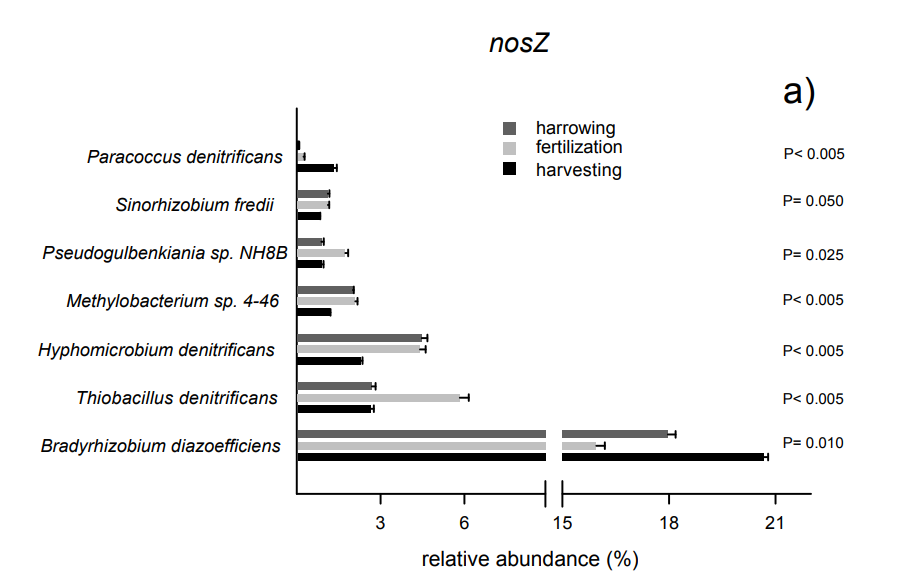
Biochar affects community composition of nitrous oxide reducers in a field experiment
N2O is a major greenhouse gas and the majority of anthropogenic N2O emissions originate from agriculturally managed soils. Therefore, developing N2O mitigation strategies is a key challenge for the agricultural sector and biochar soil treatment is one reported option. Biochar's capacity to increase soil pH and to foster activity of specialized N2O reducers has been proposed as possible mechanisms for N2O mitigation. An experiment was undertaken to investigate whether changes in the community composition of N2O reducers was observed under field conditions after biochar application. The study

Modeling of ultrasound hyperthermia treatment of breast tumors
Ultrasound hyperthermia has become one of the new therapeutic modalities for breast cancer treatment, since ultrasound appears to selectively affect malignant cells without causing any deleterious effects to the surrounding normal tissues. The main objective of this study is to numerically simulate the interaction of therapeutic ultrasound with a multi- tissue type system, and to develop an analytical model for calculating the temperature rise in these tissues due to ultrasound. First, the Finite-Element Method has been used to compute the radiated power density produced by a circular
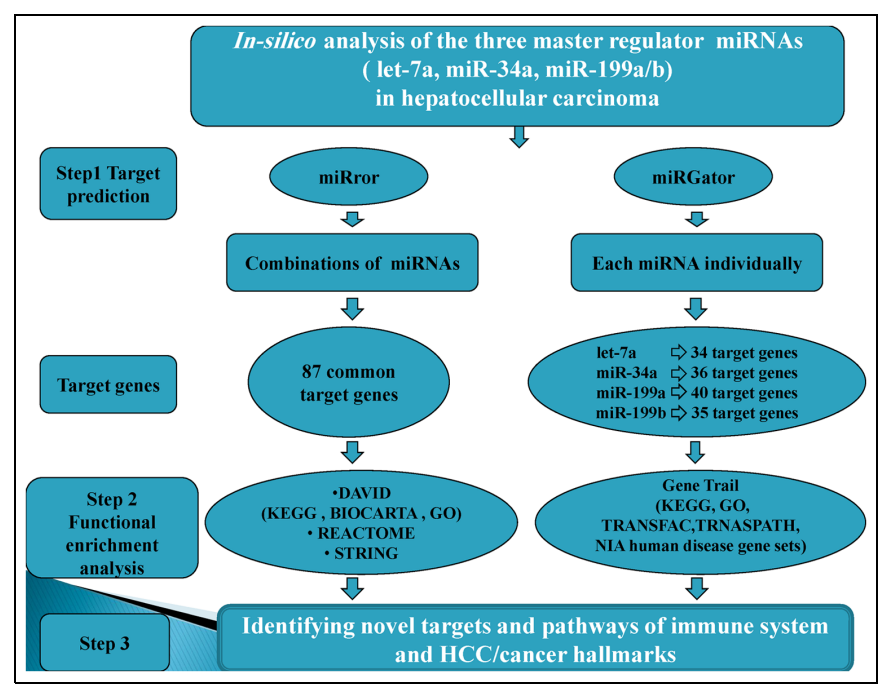
Bioinformatics functional analysis of let-7a, miR-34a, and miR-199a/b reveals novel insights into immune system pathways and cancer hallmarks for hepatocellular carcinoma
Let-7a, miR-34a, and miR-199 a/b have gained a great attention as master regulators for cellular processes. In particular, these three micro-RNAs act as potential onco-suppressors for hepatocellular carcinoma. Bioinformatics can reveal the functionality of these micro-RNAs through target prediction and functional annotation analysis. In the current study, in silico analysis using innovative servers (miRror Suite, DAVID, miRGator V3.0, GeneTrail) has demonstrated the combinatorial and the individual target genes of these micro-RNAs and further explored their roles in hepatocellular carcinoma

Parallel chaining algorithms
Given a set of weighted hyper-rectangles in a k-dimensional space, the chaining problem is to identify a set of colinear and non-overlapping hyper-rectangles of total maximal weight. This problem is used in a number of applications in bioinformatics, string processing, and VLSI design. In this paper, we present parallel versions of the chaining algorithm for bioinformatics applications, running on multi-core and computer cluster architectures. Furthermore, we present experimental results of our implementations on both architectures. © 2010 Springer-Verlag.

Cardiac magnetic resonance image classification and retrieval based on the image acquisition technique
Magnetic resonance imaging allows a number of imaging techniques and protocols that can be used to capture the different aspects of the cardiac function and structure. The produced amount of data is huge and its classification and/or retrieval based on its visual content are necessary for educational and training purposes. In this work, we propose a method for classification and retrieving cardiac magnetic resonance images based on the type of the acquisition technique. Preliminary results are obtained from two data sets of 3175 images acquired using five different cardiac imaging techniques
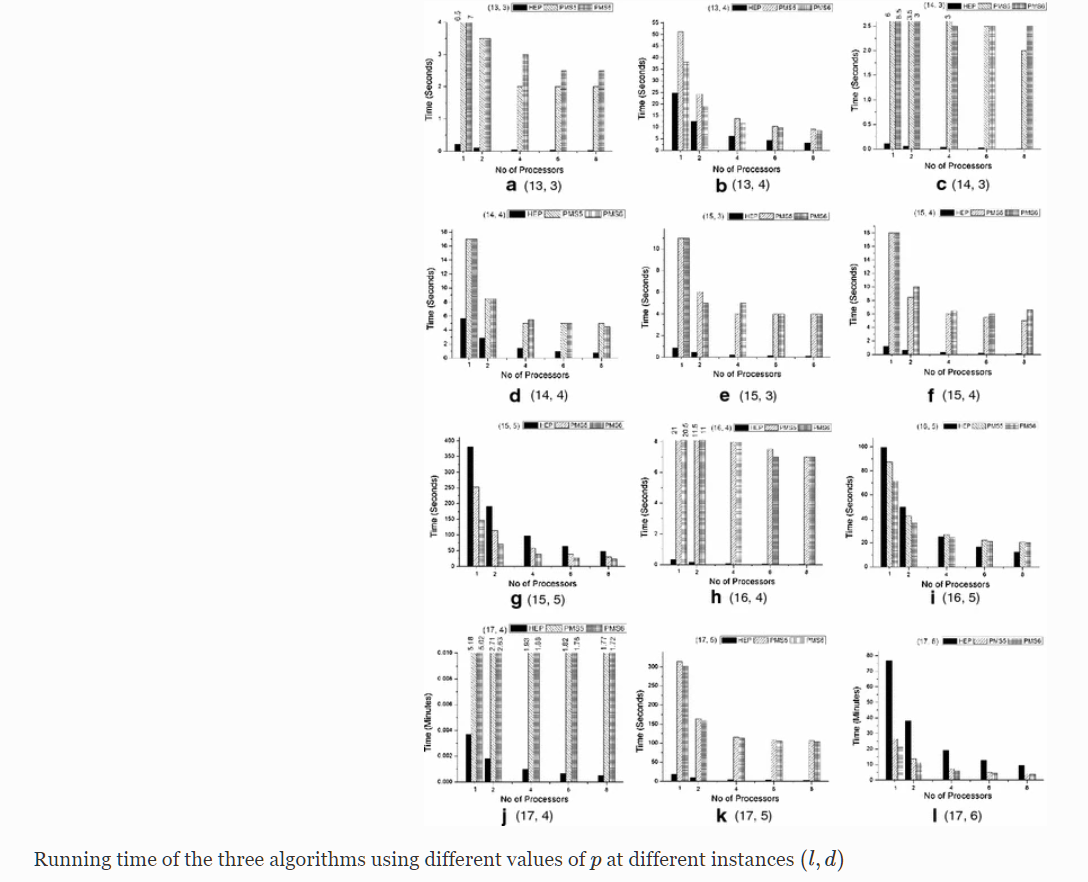
Parallelizing exact motif finding algorithms on multi-core
The motif finding problem is one of the important and challenging problems in bioinformatics. A variety of sequential algorithms have been proposed to find exact motifs, but the running time is still not suitable due to high computational complexity of finding motifs. In this paper we parallelize three efficient sequential algorithms which are HEPPMSprune, PMS5 and PMS6. We implement the algorithms on a Dual Quad-Core machine using openMP to measure the performance of each algorithm. Our experiment on simulated data show that: (1) the parallel PMS6 is faster than the other algorithms in case
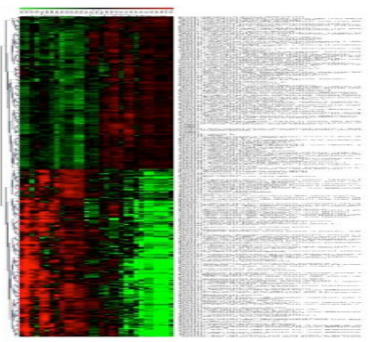
Molecular prognostic profile of egyptian HCC cases infected with hepatitis C virus
Background: Hepatocellular carcinoma (HCC) is a common and aggressive malignancy. Despite of the improvements in its treatment, HCC prognosis remains poor due to its recurrence after resection. This study provides complete genetic profile for Egyptian HCC. Genome-wide analyses were performed to identify the predictive signatures. Patients and Methods: Liver tissue was collected from 31 patients with diagnosis of HCC and gene expression levels in the tumours and their adjacent non-neoplastic tissues samples were studied by analyzing changes by microarray then correlate these with the clinico