
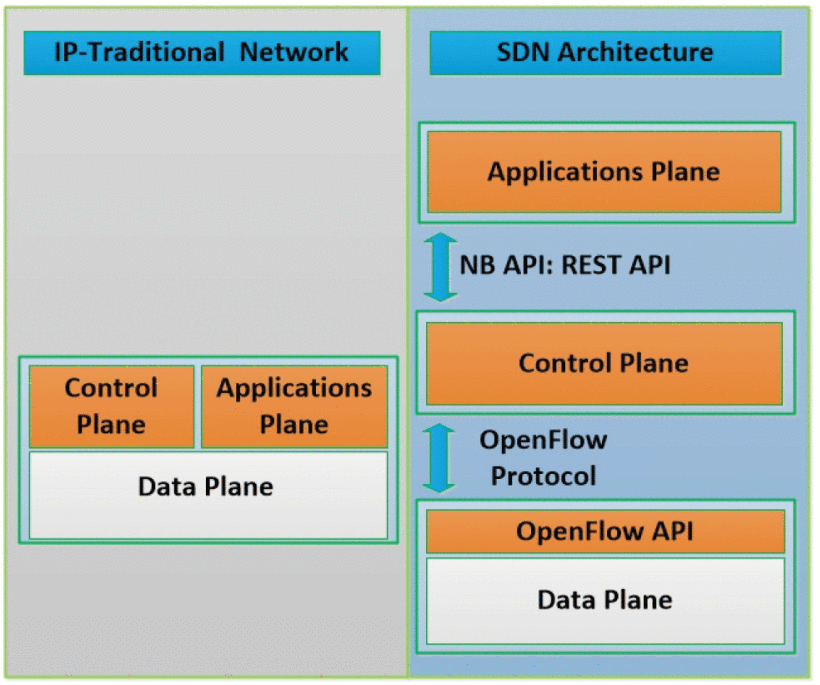
A Flow-Based Anomaly Detection Approach With Feature Selection Method Against DDoS Attacks in SDNs
Software Defined Networking (SDN) is an emerging network platform, which facilitates centralised network management. The SDN enables the network operators to manage the overall network consistently and holistically, regardless the complexity of infrastructure devices. The promising features of the SDN enhance network security and facilitate the implementation of threat detection systems through software applications using open APIs. However, the emerging technology creates new security concerns and new threats that do not exist in the current traditional networks. Distributed Denial of Service
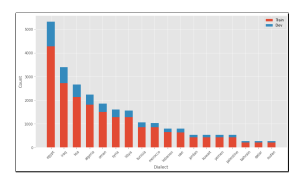
On The Arabic Dialects' Identification: Overcoming Challenges of Geographical Similarities Between Arabic dialects and Imbalanced Datasets
Arabic is one of the world's richest languages, with a diverse range of dialects based on geographical origin. In this paper, we present a solution to tackle subtask 1 (Country-level dialect identification) of the Nuanced Arabic Dialect Identification (NADI) shared task 2022 achieving third place with an average macro F1 score between the two test sets of 26.44%. In the preprocessing stage, we removed the most common frequent terms from all sentences across all dialects, and in the modeling step, we employed a hybrid loss function approach that includes Weighted cross entropy loss and Vector
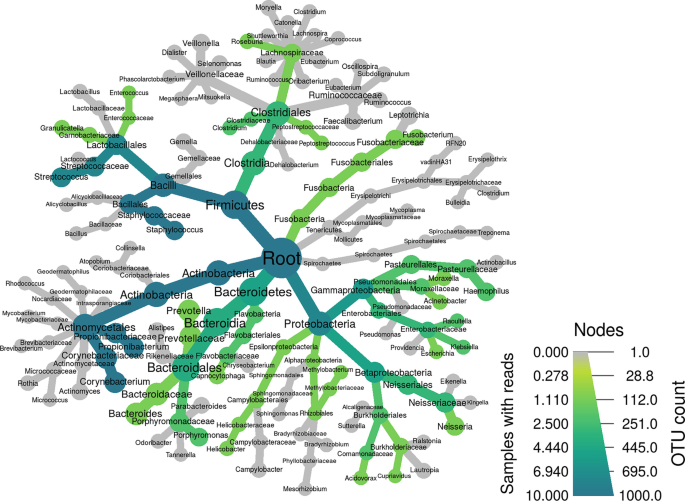
Comprehensive Guideline for Microbiome Analysis Using R
The need for a comprehensive consolidated guide for R packages and tools that are used in microbiome data analysis is significant; thus, we aim to provide a detailed step-by-step dissection of the most used R packages and tools in the field of microbiome data integration and analysis. The guideline aims to be a user-friendly simplification and tutorial on five main packages, namely phyloseq, MegaR, DADA2, Metacoder, and microbiomeExplorer due to their high efficiency and benefit in microbiome data analysis. © 2023, The Author(s), under exclusive license to Springer Science+Business Media, LLC
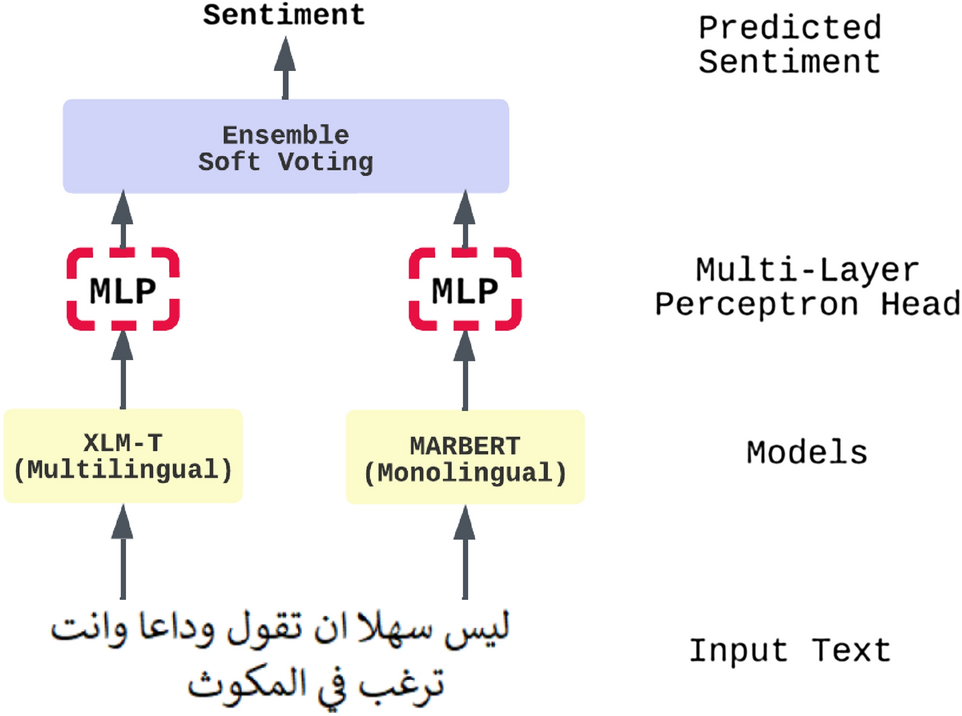
An ensemble transformer-based model for Arabic sentiment analysis
Sentiment analysis is a common and challenging task in natural language processing (NLP). It is a widely studied area of research; it facilitates capturing public opinions about a topic, product, or service. There is much research that tackles English sentiment analysis. However, the research in the Arabic language is behind other high-resource languages. Recently, models such as bidirectional encoder representations from transformers (BERT) and generative pre-trained transformer (GPT) have been widely used in many NLP tasks; it significantly improved performance in NLP tasks, especially
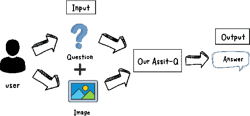
ArabicQuest: Enhancing Arabic Visual Question Answering with LLM Fine-Tuning
In an attempt to bridge the semantic gap between language understanding and visuals, Visual Question Answering (VQA) offers a challenging intersection of computer vision and natural language processing. Large Language Models (LLMs) have shown remarkable ability in natural language understanding; however, their use in VQA, particularly for Arabic, is still largely unexplored. This study aims to bridge this gap by examining how well LLMs can improve VQA models. We use state-of-the-art AI algorithms on datasets from multiple fields, including electric devices, Visual Genome, RSVQA, and ChartsQA
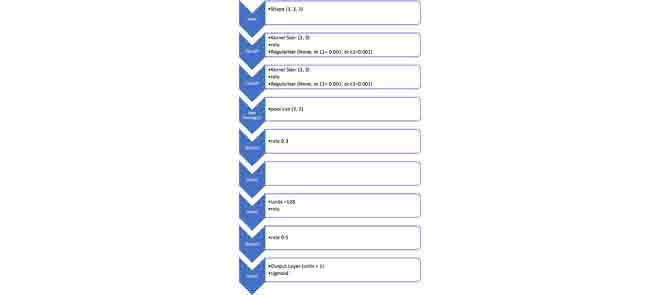
Anomaly Detection Based on CNN and Regularization Techniques Against Zero-Day Attacks in IoT Networks
The fast expansion of the Internet of Things (IoT) in the technology and communication industries necessitates a continuously updated cyber-security mechanism to keep protecting the systems' users from any possible attack that might target their data and privacy. Botnets pose a severe risk to the IoT, they use malicious nodes in order to compromise other nodes inside the network to launch several types of attacks causing service disruption. Examples of these attacks are Denial of Service (DoS), Distributed Denial of Service (DDoS), Service Scan, and OS Fingerprint. DoS and DDoS attacks are the

In-Silico targeting of SARS-CoV-2 NSP6 for drug and natural products repurposing
Non-Structural Protein 6 (NSP6) has a protecting role for SARS-CoV-2 replication by inhibiting the expansion of autophagosomes inside the cell. NSP6 is involved in the endoplasmic reticulum stress response by binding to Sigma receptor 1 (SR1). Nevertheless, NSP6 crystal structure is not solved yet. Therefore, NSP6 is considered a challenging target in Structure-Based Drug Discovery. Herein, we utilized the high quality NSP6 model built by AlphaFold in our study. Targeting a putative NSP6 binding site is believed to inhibit the SR1-NSP6 protein-protein interactions. Three databases were
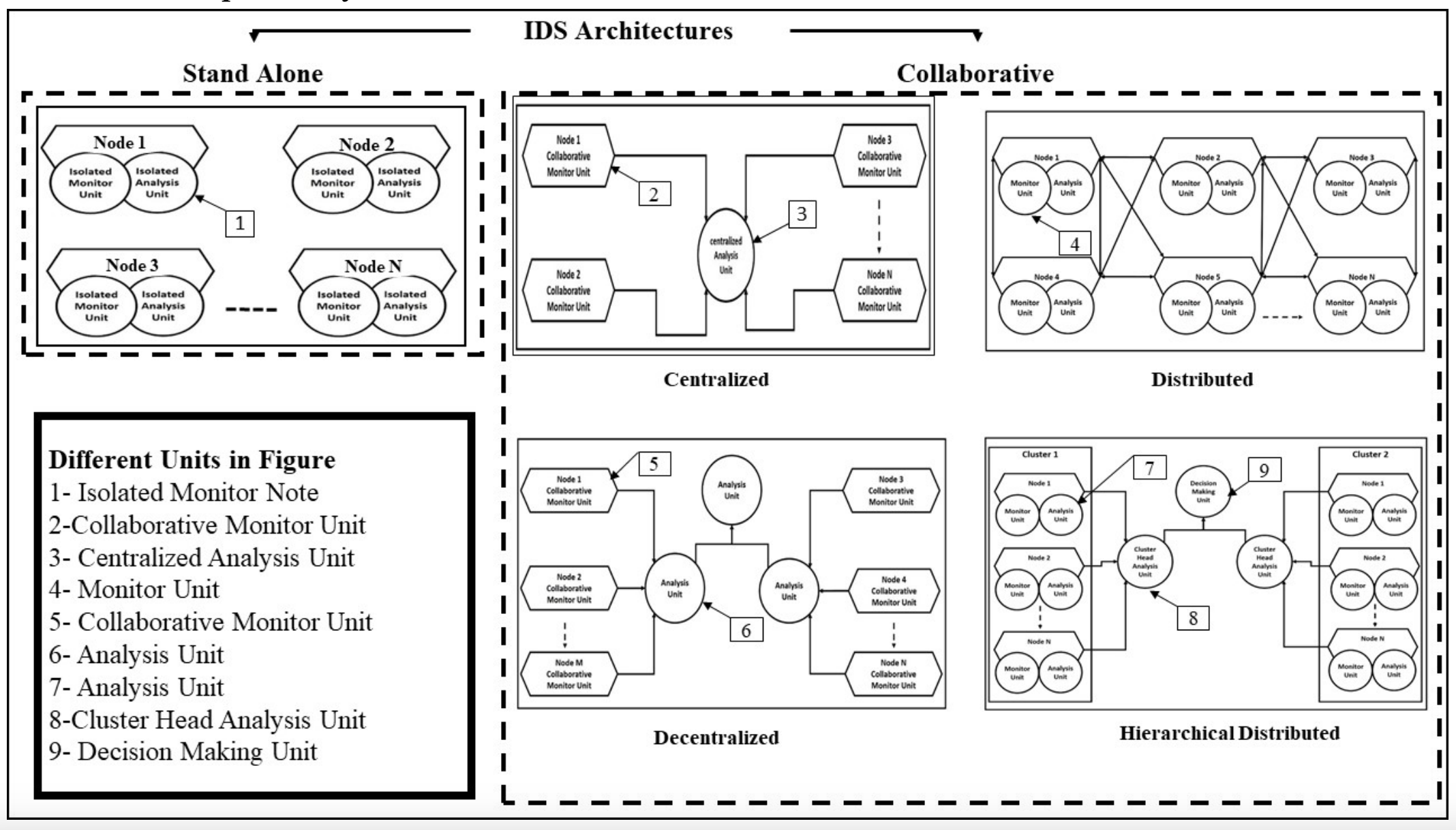
MSDAR: Multi-Stage Dynamic Architecture Intrusion Detection System
Ad hoc networks have been through extensive research in the last decade. Even with their desirable characteristics, major issues related to their security need to be considered. Various security solutions have been proposed to reduce the risks of malicious actions. They mainly focus on key management, authentication, secure localization, and aggregation techniques. These techniques have been proposed to secure wireless communications but they can only deal with external threats. Therefore, they are considered the first line of defense. Intrusion detection systems are always required to

A Comparative Analysis of Deep Learning Models for Brain Tumor Segmentation
A brain tumor is an extremely hazardous illness that can affect people of any age. Less than 50% of individuals with brain cancer have a chance of surviving. As a result, precise segmentation of brain tumors is crucial for the diagnosis, planning of the course of treatment, and tracking of the tumor growth. Deep Learning (DL) models can increase the precision and speed of brain tumor diagnosis by precisely segmenting and identifying tumor locations in medical pictures. In this study, we compare four DL models for segmenting brain tumors, the 3D U-Net, the Attention Res U-Net, the U-Net++, and

A Survey on Recommender Systems Challenges and Solutions
A recommender system is a set of tools for information retrieval. It improves access and proactively recommends items and services that match users' tastes by considering their explicit and implicit preferences and behaviors. Recommender systems have become very popular in the e-commerce field. Today, the internet is flooded with diverse information that makes it very difficult for the end-users to reach out for what they need. Recommender systems provide tailored views to users who are constantly adapted to the users' changing tastes. Although many recommendation techniques have been