
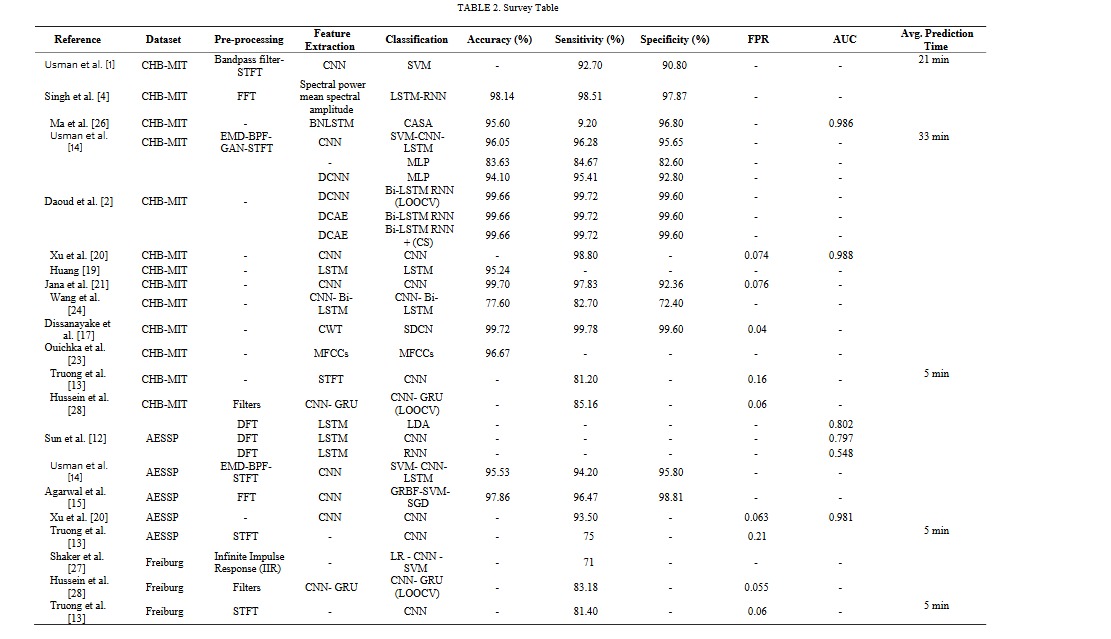
Deep Learning Approaches for Epileptic Seizure Prediction: A Review
Epilepsy is a chronic nervous disorder, which disturbs the normal daily routine of an epileptic patient due to sudden seizure onset that may cause loss of consciousness. Seizures are periods of aberrant brain activity patterns. Early prediction of an epileptic seizure is critical for those who suffer from it as it will give them time to prepare for an incoming seizure and alert anyone in their close circle of contacts to aid them. This has been an active field of study, powered by the decreasing cost of non-invasive electroencephalogram (EEG) collecting equipment and the rapid evolution of

Light-Weight Food Image Classification For Egyptian Cuisine
Food is an integral aspect of daily life in all cultures. It highly affects people's diets, eating behaviors, and overall health. People with poor eating habits are usually overweight or obese, which leads to chronic diseases such as diabetes and cardiovascular disease. Today, the classification of food images has several uses in managing medical conditions and dieting. Deep convolutional neural network (DCNN) architectures provide the foundation for the most recent food recognition models. However, DCNNs are computationally expensive due to high computation time and memory requirements. In

Semi-Fragile Watermark for the Authentication and Recovery of Tampered Images
In order to strengthen the safety of corporate multimedia assets, a semi-fragile watermarking method is developed, which makes use of the integer wavelet transform (IWT) and the discrete cosine transform (DCT) for tamper detection and recovery. In this paper, we produce two distinct kinds of watermarks: an authentication watermark and a recovery watermark. A tamper detection methodology is utilized at the receiving end to check the watermarked image for validity and detect any assaults. If the changes are determined to be malicious, the suggested tamper recovery method is used to restore the
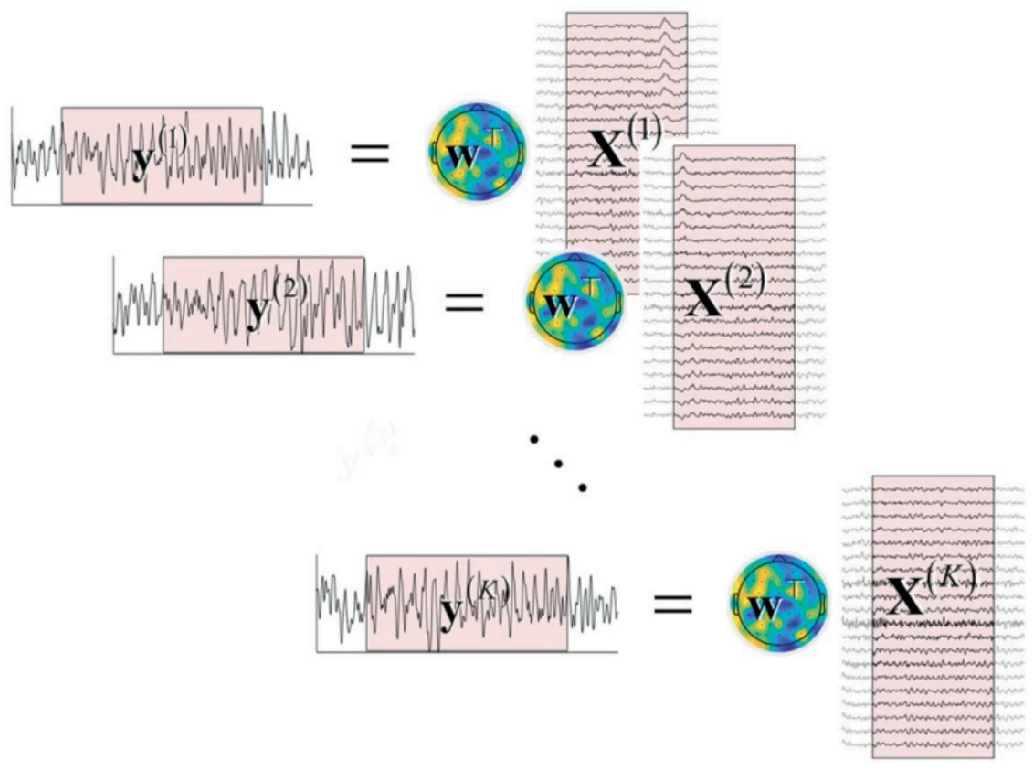
A Comparative Analysis of Time Series Transformers and Alternative Deep Learning Models for SSVEP Classification
Steady State Visually Evoked Potentials (SSVEPs) are intrinsic responses to specific visual stimulus frequencies. When the retina is activated by a frequency ranging from 3.5 to 75 Hz, the brain produces electrical activity at the same frequency as the visual signal, or its multiples. Identifying the preferred frequencies of neurocortical dynamic processes is a benefit of SSVEPs. However, the time consumed during calibration sessions limits the number of training trials and gives rise to visual fatigue since there is significant human variation across and within individuals over time, which
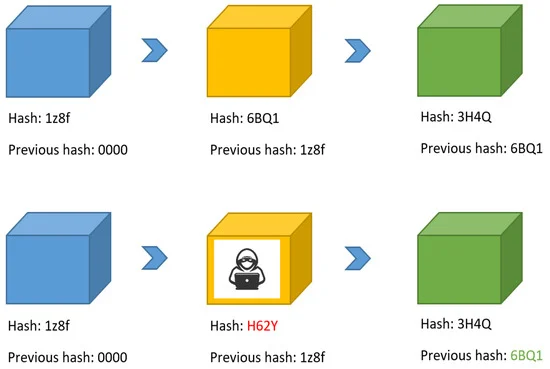
Smart Automotive Diagnostic and Performance Analysis Using Blockchain Technology
The automotive industry currently is seeking to increase remote connectivity to a vehicle, which creates a high demand to implement a secure way of connecting vehicles, as well as verifying and storing their data in a trusted way. Furthermore, much information must be leaked in order to correctly diagnose the vehicle and determine when or how to remotely update it. In this context, we propose a Blockchain-based, fully automated remote vehicle diagnosis system. The proposed system provides a secure and trusted way of storing and verifying vehicle data and analyzing their performance in
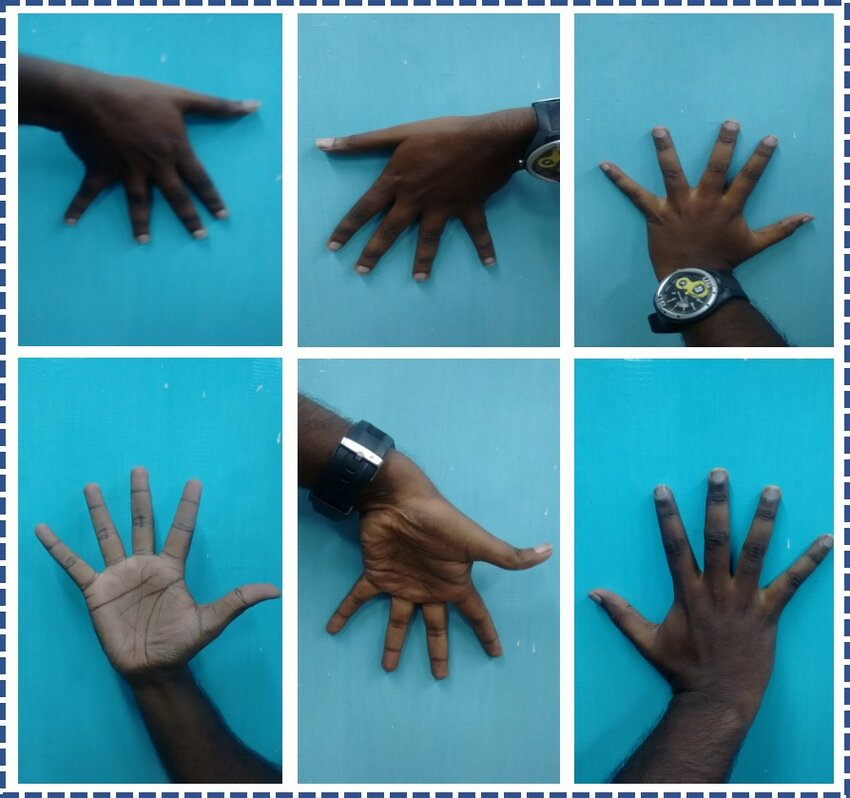
Gender Detection from Hand Palm Images: A PySpark-Driven Approach with VGG19 Feature Extraction and MLP Classification
This paper presents a comprehensive methodology for gender detection using hand palm images, leveraging image processing techniques and PySpark for scalable and efficient processing. The approach encompasses a meticulous image preprocessing pipeline, incorporating essential stages like grayscale conversion, the application ofthe Difference of Gaussians (DoG) filter, and adaptive histogram equalization. This approach not only refmes image features but also ensures scalability, accommodating large datasets seamlessly. After preprocessing of hand images, the VGG19 model is employed as a powerful
A Run-Length and Discrete Cosine Transform Based Technique for Image Splicing Detection
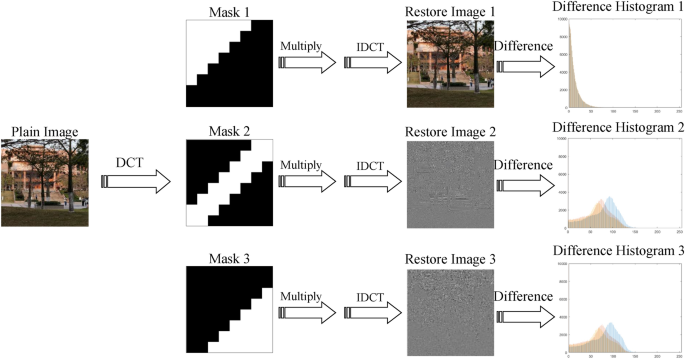
Digital images have emerged as the most popular means for sharing information in articles, newspapers, and even courtrooms. However, the widespread use of advanced digital imaging tools has made it easier to forge images. One such technique is image splicing, where multiple source images are merged into a single destination image to conceal or alter its content. Image splicing is an effective forgery technique, as it is difficult to detect by the naked eye. Detection of image splicing is a pattern recognition problem, based on finding image features that are sensitive to splicing. In this
Multi-Band Radio Frequency Energy Predictor for Advanced Energy Harvesting Cellular Bands Systems
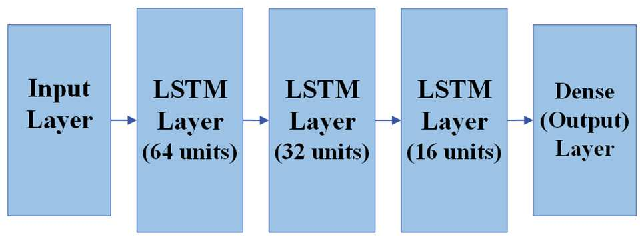
Radio Frequency (RF) energy harvesting has been employed to power wireless devices. Nevertheless, RF energy harvesting encounters restrictions regarding the quantity of power it can harvest depending on signal accessibility. As a result, accurately predicting energy levels becomes crucial for enhancing the performance of energy harvesting circuits. Most research efforts have concentrated on enhancing power harvesting policies or theoretically estimating the energy obtained through RF energy harvesting. Moreover, the existing literature has primarily focused on single-band prediction approaches

An Evaluation of Time Series-Based Modeling and Forecasting of Infectious Diseases Progression using Statistical Versus Compartmental Methods
As a case study for our research, COVID-19, that was caused by a unique coronavirus, has substantially affected the globe, not only in terms of healthcare, but also in terms of economics, education, transportation, and politics. Predicting the pandemic's course is critical to combating and tracking its spread. The objective of our study is to evaluate, optimize and fine-Tune state of the art prediction models in order to enhance its performance and to automate its function as possible. Therefore, a comparison between statistical versus compartmental methods for time series-based modeling and

A Framework for Democratizing Open-Source Decision-Making using Decentralized Autonomous Organization
The open Source Software (OSS) became the backbone of the most heavily used technologies, including operating systems, cloud computing, AI, Blockchain, Bigdata Systems, IoT, and many more. Although the OSS individual contributors are the primary power for developing the OSS projects, they do not contribute to the OSS project's decisionmaking as much as their contributions in the OSS Projects development. This paper proposes a framework to democratize the OSS Project's decision-making using a blockchain-related technology called Decentralized Autonomous Organization (DAO). Using DAO