

Coffee and multiple sclerosis (MS)
Multiple Sclerosis (MS) is a long-term autoimmune disorder affecting the central nervous system, marked by inflammation, demyelination, and neurodegeneration. While the exact cause of MS remains unknown, recent research indicates that environmental factors, particularly diet, may influence the disease's risk and progression. As a result, the potential neuroprotective effects of coffee, one of the most popular beverages worldwide, have garnered significant attention due to its rich content of bioactive compounds. This chapter explores the impact of coffee consumption on patients with Multiple

Blockchain Application on Big Data Security
In recent years, advances in technology in several industries have resulted in massive data collections on the web. It raises worries about large data security and protection. The advent of Blockchain technology has caused a revolution in the security field for different applications. The distributed ledger is stored on each Blockchain node, which enhances security and data transparency. On the Blockchain network, illegal users are not authorized to undertake any fault transactions. In this article, we will discuss how Blockchain may be employed to secure the big data. We explain the problems
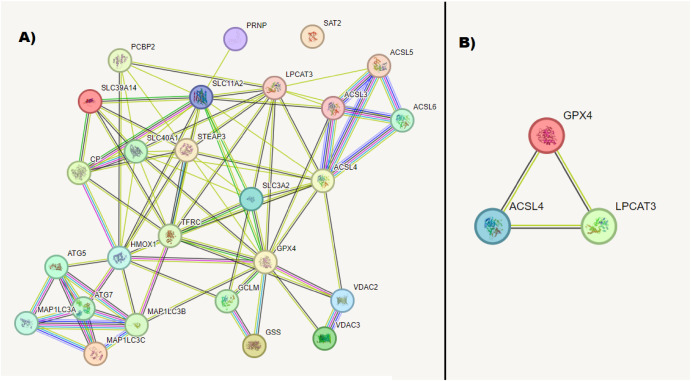
Innovative approaches to metabolic dysfunction-associated steatohepatitis diagnosis and stratification
The global rise in Metabolic dysfunction-associated steatotic liver disease (MASLD)/Metabolic dysfunction-associated steatohepatitis (MASH) highlights the urgent necessity for noninvasive biomarkers to detect these conditions early. To address this, we endeavored to construct a diagnostic model for MASLD/MASH using a combination of bioinformatics, molecular/biochemical data, and machine learning techniques. Initially, bioinformatics analysis was employed to identify RNA molecules associated with MASLD/MASH pathogenesis and enriched in ferroptosis and exophagy. This analysis unveiled specific
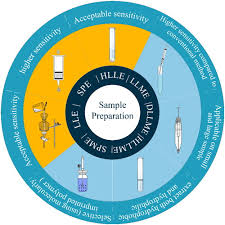
Analytical Methods for the Determination of Quercetin and Quercetin Glycosides in Pharmaceuticals and Biological Samples
Flavonoids are plant-derived compounds that have several health benefits, including antioxidative, anti-inflammatory, anti-mutagenic, and anti-carcinogenic effects. Quercetin is a flavonoid that is widely present in various fruits, vegetables, and drinks. Accurate determination of quercetin in different samples is of great importance for its potential health benefits. This review, is an overview of sample preparation and determination methods for quercetin in diverse matrices. Previous research on sample preparation and determination methods for quercetin are summarized, highlighting the
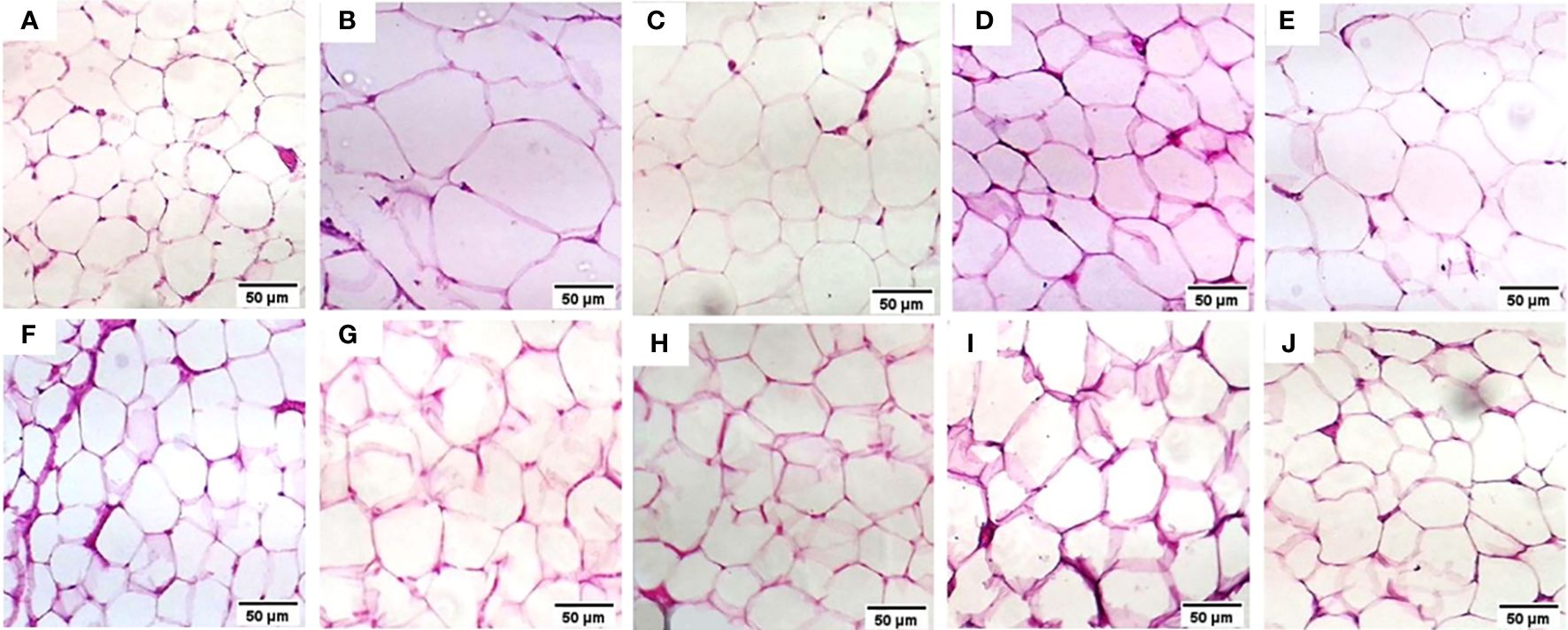
Comprehensive machine learning models for predicting therapeutic targets in type 2 diabetes utilizing molecular and biochemical features in rats
Introduction: With the increasing prevalence of type 2 diabetes mellitus (T2DM), there is an urgent need to discover effective therapeutic targets for this complex condition. Coding and non-coding RNAs, with traditional biochemical parameters, have shown promise as viable targets for therapy. Machine learning (ML) techniques have emerged as powerful tools for predicting drug responses. Method: In this study, we developed an ML-based model to identify the most influential features for drug response in the treatment of type 2 diabetes using three medicinal plant-based drugs (Rosavin, Caffeic
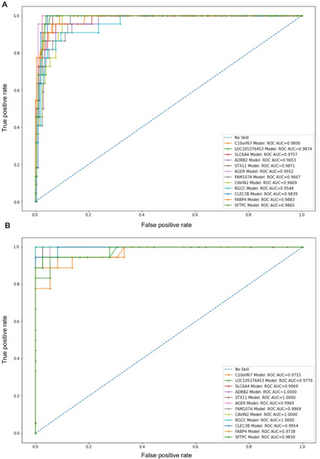
A feature selection-based framework to identify biomarkers for cancer diagnosis: A focus on lung adenocarcinoma
Lung cancer (LC) represents most of the cancer incidences in the world. There are many types of LC, but Lung Adenocarcinoma (LUAD) is the most common type. Although RNA-seq and microarray data provide a vast amount of gene expression data, most of the genes are insignificant to clinical diagnosis. Feature selection (FS) techniques overcome the high dimensionality and sparsity issues of the large-scale data. We propose a framework that applies an ensemble of feature selection techniques to identify genes highly correlated to LUAD. Utilizing LUAD RNA-seq data from the Cancer Genome Atlas (TCGA)
Identifying Immunological and Clinical Predictors of COVID-19 Severity and Sequelae by Mathematical Modeling
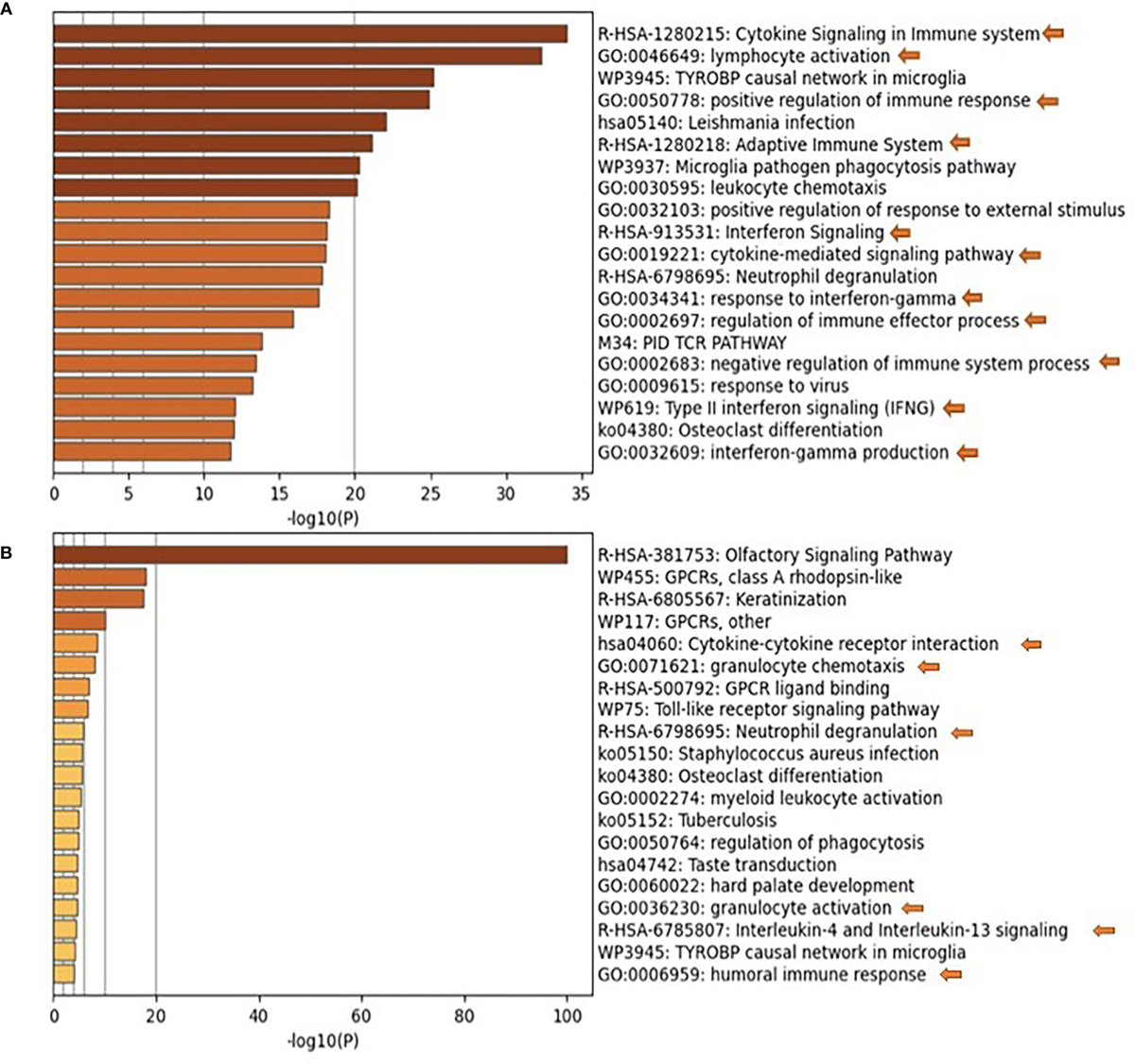
Since its emergence as a pandemic in March 2020, coronavirus disease (COVID-19) outcome has been explored via several predictive models, using specific clinical or biochemical parameters. In the current study, we developed an integrative non-linear predictive model of COVID-19 outcome, using clinical, biochemical, immunological, and radiological data of patients with different disease severities. Initially, the immunological signature of the disease was investigated through transcriptomics analysis of nasopharyngeal swab samples of patients with different COVID-19 severity versus control
The FDA-Approved Drug Cobicistat Synergizes with Remdesivir to Inhibit SARS-CoV-2 Replication in Vitro and Decreases Viral Titers and Disease Progression in Syrian Hamsters
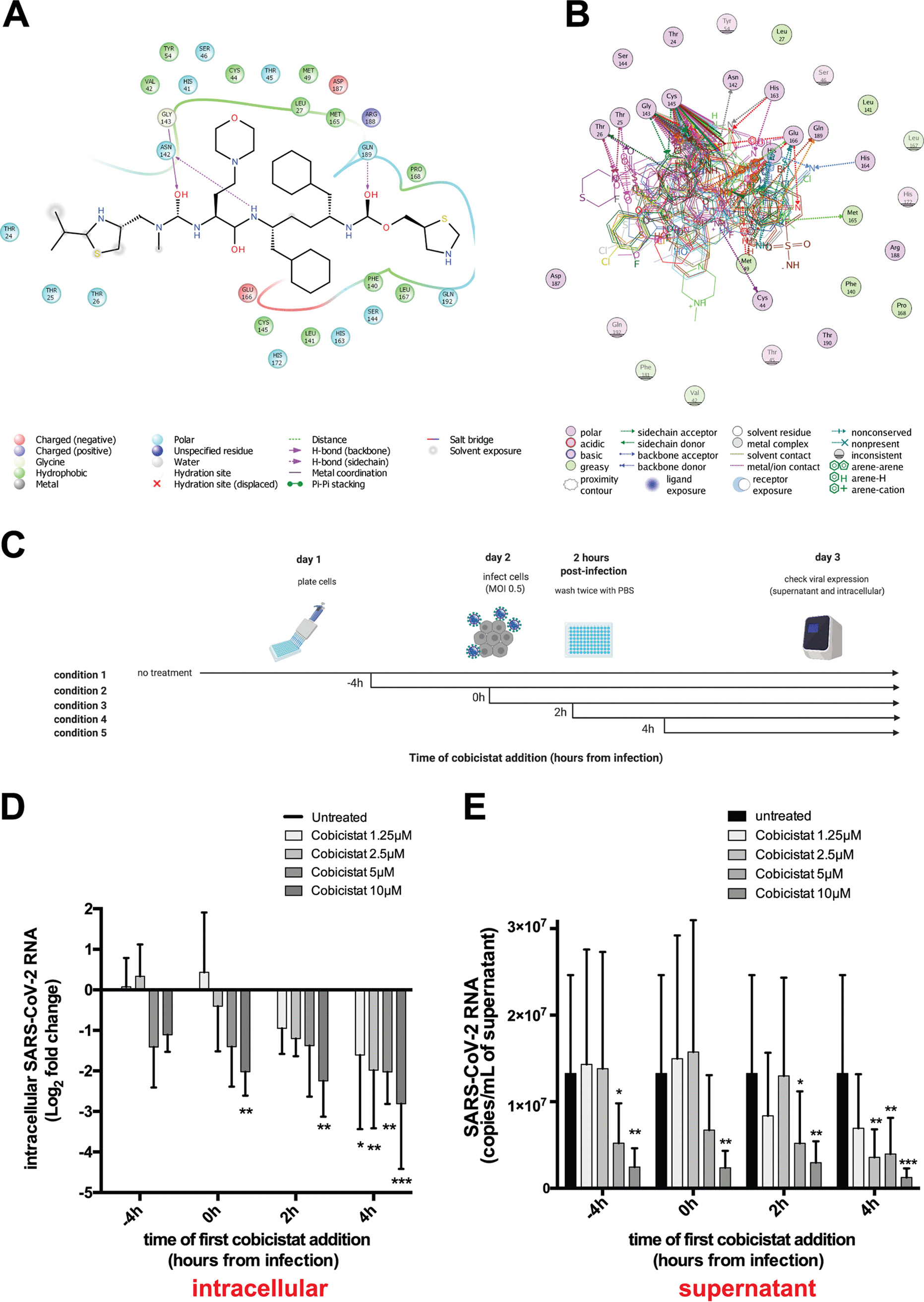
Combinations of direct-acting antivirals are needed to minimize drug resistance mutations and stably suppress replication of RNA viruses. Currently, there are limited therapeutic options against the severe acute respiratory syndrome coronavirus 2 (SARS-CoV-2), and testing of a number of drug regimens has led to conflicting results. Here, we show that cobicistat, which is an FDA-approved drug booster that blocks the activity of the drug-metabolizing proteins cytochrome P450-3As (CYP3As) and P-glycoprotein (P-gp), inhibits SARS-CoV-2 replication. Two independent cell-to-cell membrane fusion
Comparative 16S Metabarcoding of Nile Tilapia Gut Microbiota from the Northern Lakes of Egypt
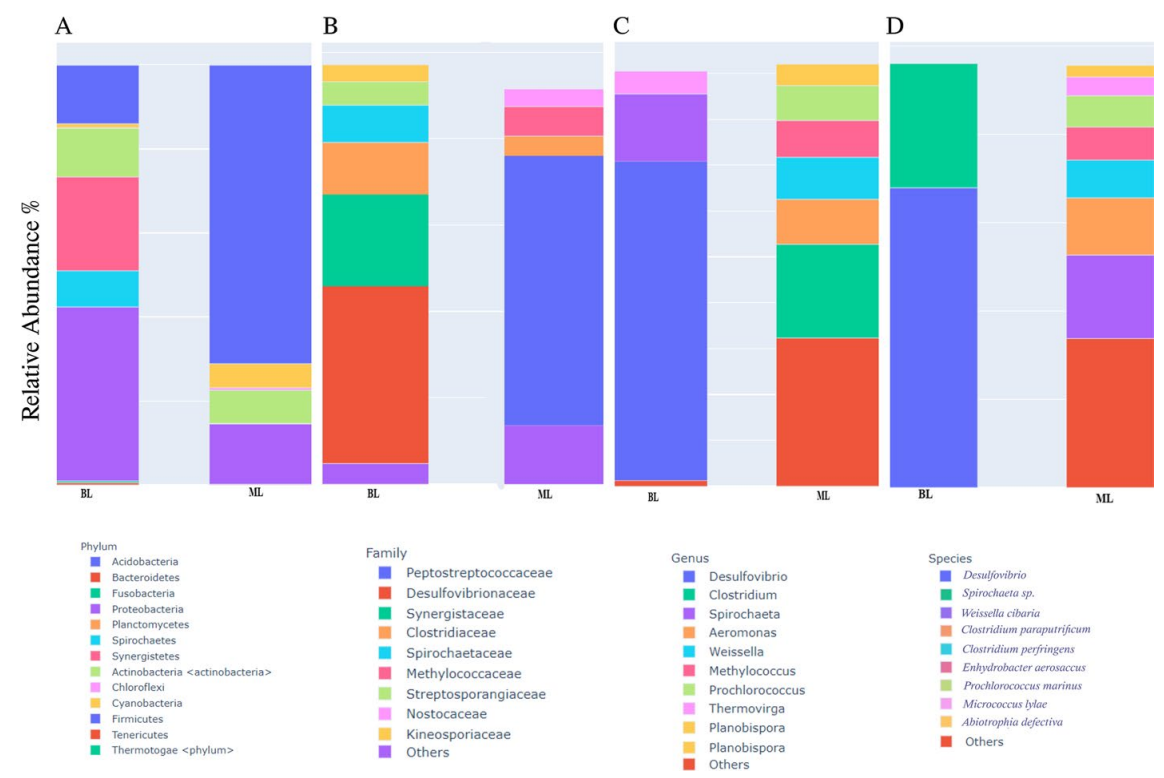
Nile tilapia, Oreochromis niloticus, is the principal fish bred in Egypt. A pilot study was designed to analyze the bacterial composition of the Nile tilapia fish guts from two saltwater lakes in Northern Egypt. Fish samples were obtained from two Delta lakes: Manzala (ML) and Borollus (BL). DNA was extracted, and the bacterial communities in the stomach content were classified (down to the species level) using the 16S rRNA-based analysis. From the two metagenomics libraries in this study, 1,426,740 reads of the amplicon sequence corresponding to 508 total taxonomic operational units were
Computing the burrows-wheeler transform of a string and its reverse
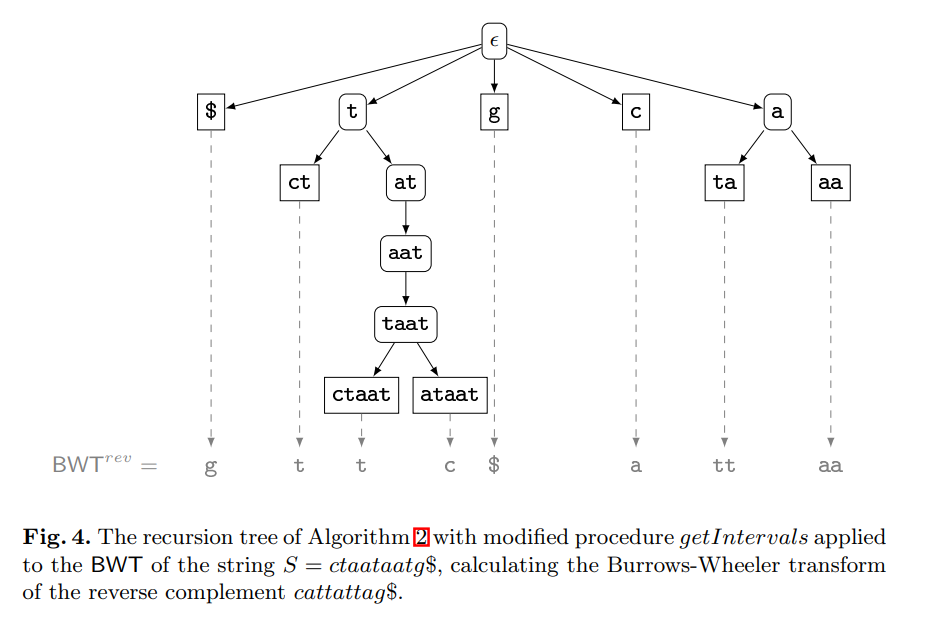
The contribution of this paper is twofold. First, we provide new theoretical insights into the relationship between a string and its reverse: If the Burrows-Wheeler transform (BWT) of a string has been computed by sorting its suffixes, then the BWT and the longest common prefix array of the reverse string can be derived from it without suffix sorting. Furthermore, we show that the longest common prefix arrays of a string and its reverse are permutations of each other. Second, we provide a parallel algorithm that, given the BWT of a string, computes the BWT of its reverse much faster than all