

Evaluation of the cardiac global function from tagged magnetic resonance images
Tagged Magnetic Resonance (MR) images are considered the gold standard for evaluating the cardiac regional function. Nevertheless, the low myocardium-to-blood contrast in tagged MR images prevents accurate segmentation of the myocardium, and hence, hinders the quantitative assessment of the global function of the heart. In this work, a method for enhancing the myocardium-to-blood contrast in tagged MR images is proposed. First, the tag pattern in each input tagged MR image is removed using technique based on the image texture and the frequency components of the tag pattern to produce two
Strain correction in interleaved strain-encoded (SENC) cardiac MR
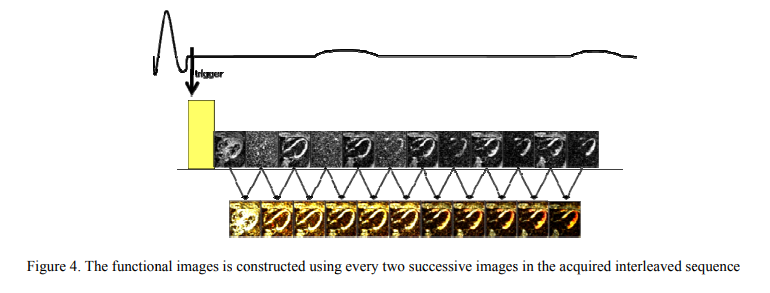
The strain encoding (SENC) technique directly encodes regional strain of the heart into the acquired MR images and produces two images with two different tunings so that longitudinal strain, on the short-axis view, or circumferential strain on the long-axis view, are measured. Interleaving acquisition is used to shorten the acquisition time of the two tuned images by 50%, but it suffers from errors in the strain calculations due to inter-tunings motion of the heart. In this work, we propose a method to correct for the inter-tunings motion by estimating the motion-induced shift in the spatial
A semi-supervised learning approach for soft labeled data
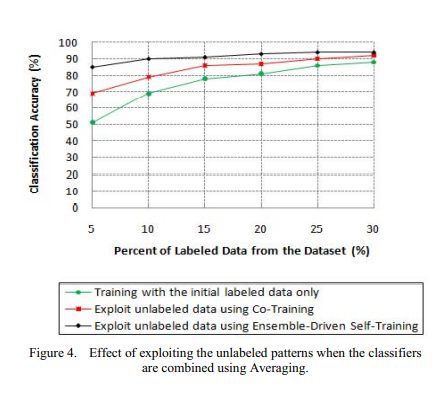
In some machine learning applications using soft labels is more useful and informative than crisp labels. Soft labels indicate the degree of membership of the training data to the given classes. Often only a small number of labeled data is available while unlabeled data is abundant. Therefore, it is important to make use of unlabeled data. In this paper we propose an approach for Fuzzy-Input Fuzzy-Output classification in which the classifier can learn with soft-labeled data and can also produce degree of belongingness to classes as an output for each pattern. Particularly, we investigate the
Benchmarking of Antimicrobial Resistance Gene Detection Tools in Assembled Bacterial Whole Genomes
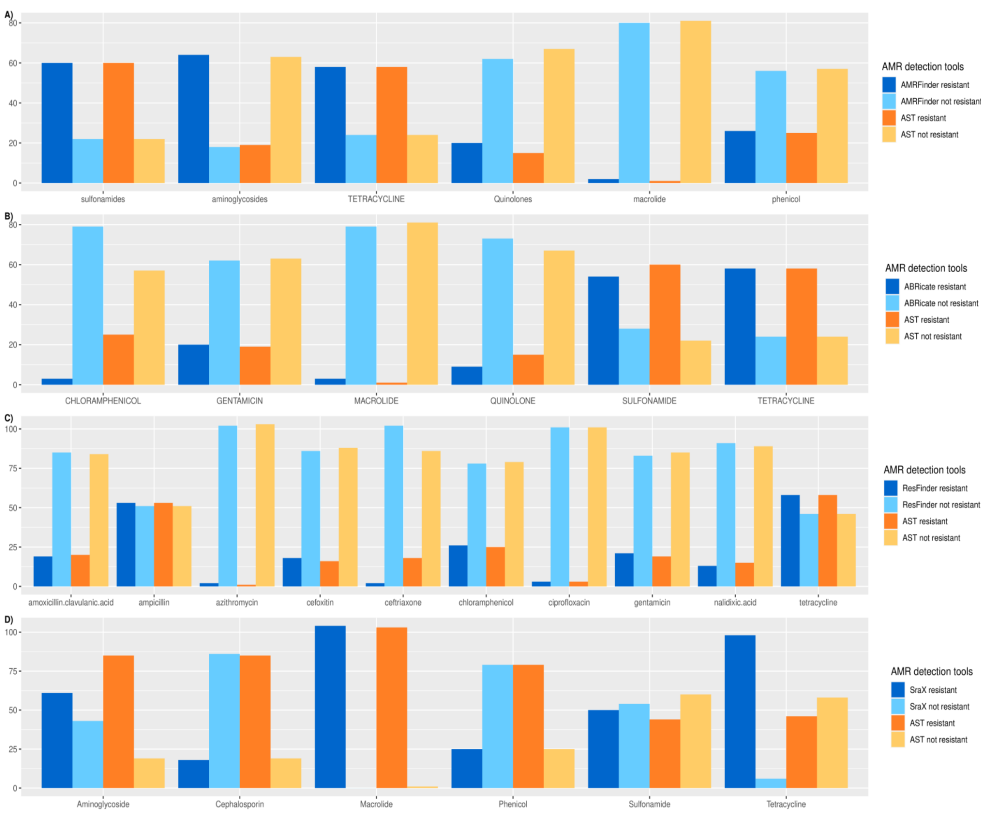
Antimicrobial resistance (AMR) is one of the ten dangers threatening our world, according to the world health organization (WHO). Nowadays, there are plenty of electronic microbial genomics and metagenomics data records that represent host-associated microbiomes. These data introduce new insights and a comprehensive understanding of the current antibiotic resistance threats and the upcoming resistance outbreak. Many bioinformatics tools have been developed to detect the AMR genes based on different annotated databases of bacterial whole genome sequences (WGS). The number and structure of
Potential probiotics for viral triggered type 2 diabetes
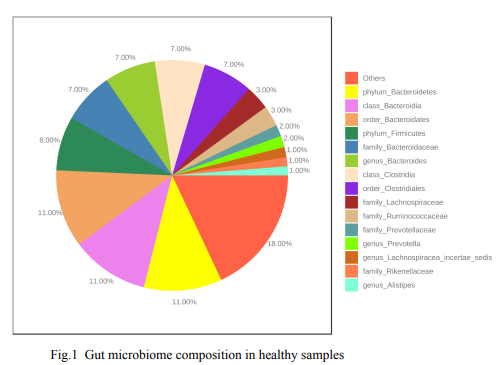
The scientific literature is full of studies that provide evidence highlighting the role of microbiome in type 2 diabetes (T2D) development and progression, still, discrepancies are evident when studying the link between certain taxonomic groupings and T2D, thus, eliminating the discrepancy between such studies is crucial to build on a robust systematic approach to identify the possible linkage between such taxonomic groups and diabetes development and progression, hence developing a potential treatment. Here we aimed to use a publicly available data set of gut and nares microbiome of
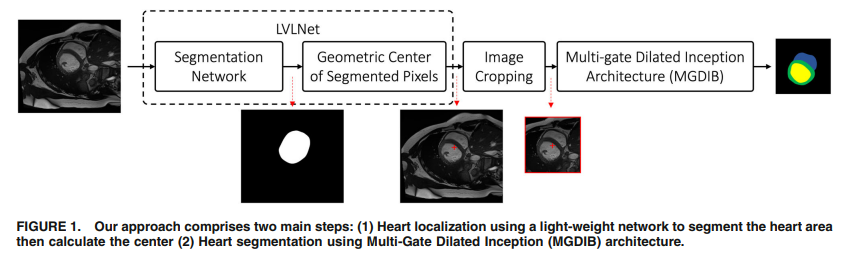
Light-Weight Localization and Scale-Independent Multi-gate UNET Segmentation of Left and Right Ventricles in MRI Images
Purpose: Heart segmentation in cardiac magnetic resonance images is heavily used during the assessment of left ventricle global function. Automation of the segmentation is crucial to standardize the analysis. This study aims at developing a CNN-based framework to aid the clinical measurements of the left ventricle and right ventricle in cardiac magnetic resonance images. Methods: We propose a fully automated framework for localization and segmentation of the left ventricle and right ventricle in both short- and long-axis views from cardiac magnetic resonance images. The localization module
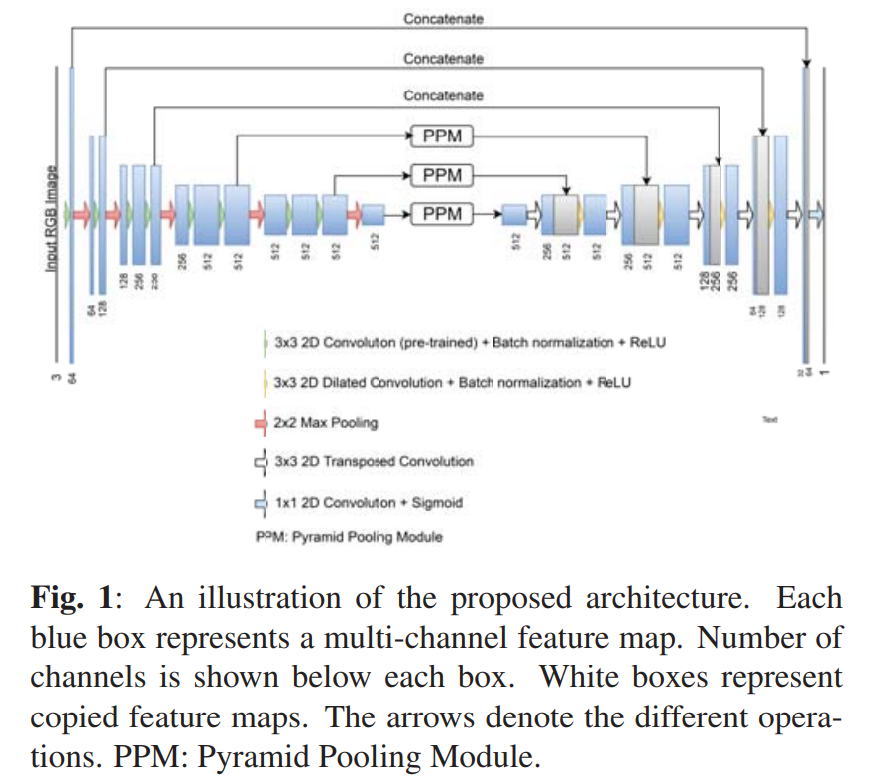
Deep convolutional encoder-decoders with aggregated multi-resolution skip connections for skin lesion segmentation
The prevalence of skin melanoma is rapidly increasing as well as the recorded death cases of its patients. Automatic image segmentation tools play an important role in providing standardized computer-assisted analysis for skin melanoma patients. Current state-of-the-art segmentation methods are based on fully convolutional neural networks, which utilize an encoder-decoder approach. However, these methods produce coarse segmentation masks due to the loss of location information during the encoding layers. Inspired by Pyramid Scene Parsing Network (PSP-Net), we propose an encoder-decoder model
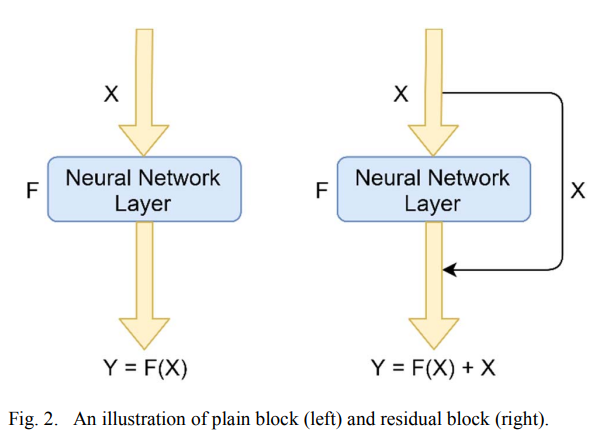
Deep Ensemble Learning for Skin Lesion Classification from Dermoscopic Images
Skin cancer is one of the leading causes of death globally. Early diagnosis of skin lesion significantly increases the prevalence of recovery. Automatic classification of the skin lesion is a challenging task to provide clinicians with the ability to differentiate between different kind of lesion categories and recommend the suitable treatment. Recently, Deep Convolutional Neural Networks have achieved tremendous success in many machine learning applications and have shown an outstanding performance in various computer-assisted diagnosis applications. Our goal is to develop an automated
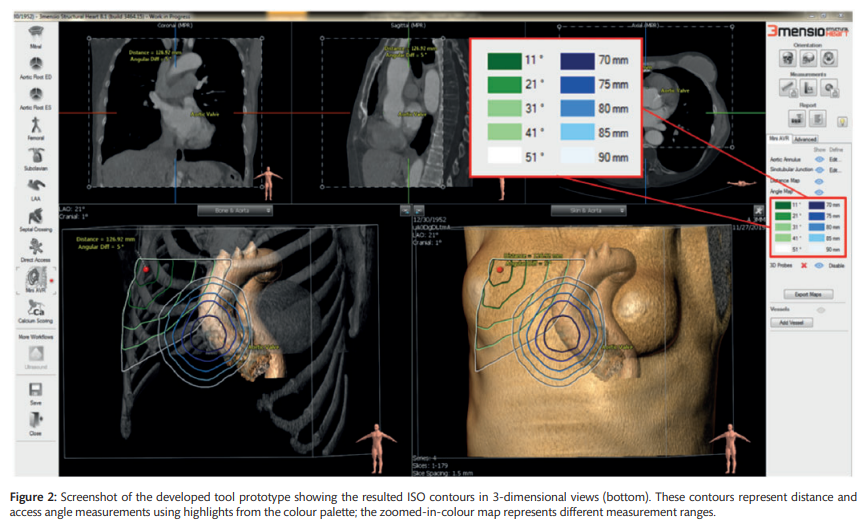
A computed tomography-based planning tool for predicting difficulty of minimally invasive aortic valve replacement
OBJECTIVES Minimally invasive aortic valve replacement has proven its value over the last decade by its significant advancement and reduction in mortality, morbidity and admission time. However, minimally invasive aortic valve replacement is associated with some on-site difficulties such as limited aortic annulus exposure. Currently, computed tomography scans are used to evaluate the anatomical relationship among the intercostal spaces, ascending aorta and aortic valve prior to surgery. We hypothesized that quantitative measurements of access distance and access angle are associated with
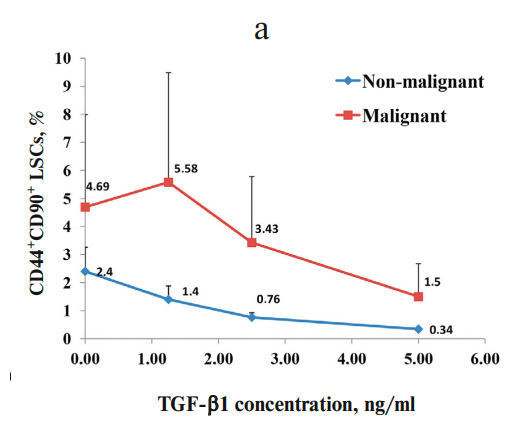
Role of TGF-β1 and C-Kit Mutations in the Development of Hepatocellular Carcinoma in Hepatitis C Virus-Infected Patients: in vitro Study
Transforming growth factor beta (TGF-β) acts as a tumor-suppressing cytokine in healthy tissues and non-malignant tumors. Yet, in malignancy, TGF-β can exert the opposite effects that can promote proliferation of cancer cells. C-Kit plays a prominent role in stem cell activation and liver regeneration after injury. However, little is known about the cross-talk between TGF-β and C-Kit and its role in the progression of hepatocellular carcinoma (HCC). Here, we studied the effect of increasing doses of TGF-β1 on CD44+CD90+ liver stem cells (LSCs) and C-Kit gene expression in malignant and