
Intrusion Detection in VANETs and ACVs using Deep Learning
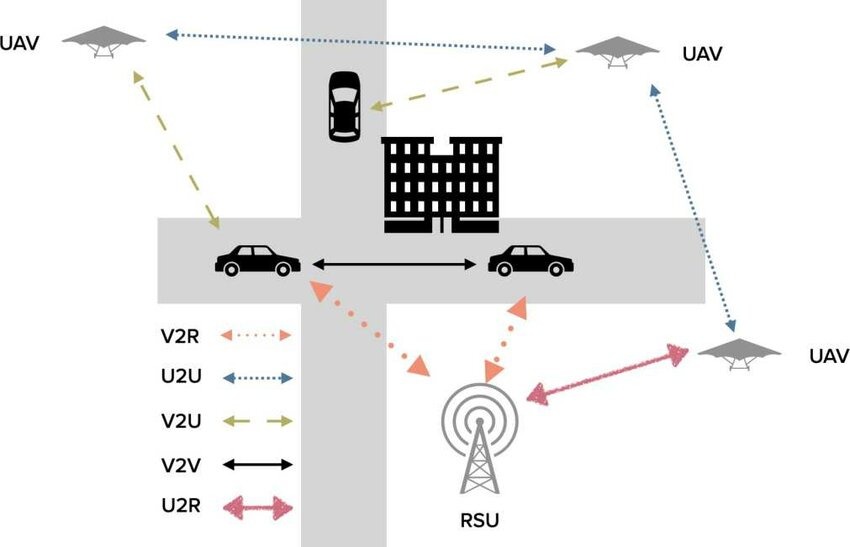
There are many novel techniques for intrusion detection in vehicular ad hoc networks and autonomous and connected vehicles. Detecting and reporting an attack is the main responsibility of an Intrusion detection system (IDS). Deep learning is used to make IDS smarter and more accurate. It implies other challenges on the other hand. This paper covers the proposed IDS based deep learning solutions and comparing effectiveness and efficiency of those solutions. © 2022 IEEE.
Brain Tumor Semantic Segmentation using Residual U-Net++ Encoder-Decoder Architecture
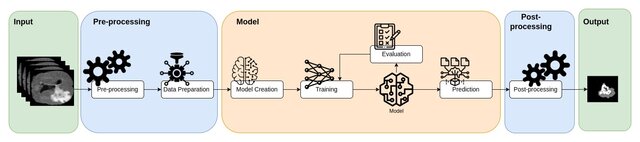
Image segmentation is considered one of the essen-tial tasks for extracting useful information from an image. Given the brain tumor and its consumption of medical resources, the development of a deep learning method for MRI to segment the brain tumor of patients’ MRI is illustrated here. Brain tumor segmentation technique is crucial in detecting and treating MRI brain tumors. Furthermore, it assists physicians in locating and measuring tumors and developing treatment and rehabilitation programs. The residual U-Net++ encoder-decoder-based architec-ture is designed as the primary network, and it

Introduction to genomics-based pharmaceutical applications
Biomedical research and pharmaceutical development have been profoundly impacted by genomics in recent years, with researchers gaining new understanding of the genetic pathways underlying disease and opening up new opportunities for the creation of targeted therapeutic interventions. Without a comprehensive grasp of the genetic mechanisms at play, medication discovery approaches in the past often relied on trial and error, targeting particular symptoms or pathways. However, the advent of genomics has changed the game. Scientific advances in high-throughput DNA sequencing have allowed
Tracking Antibiotic Resistance from the Environment to Human Health
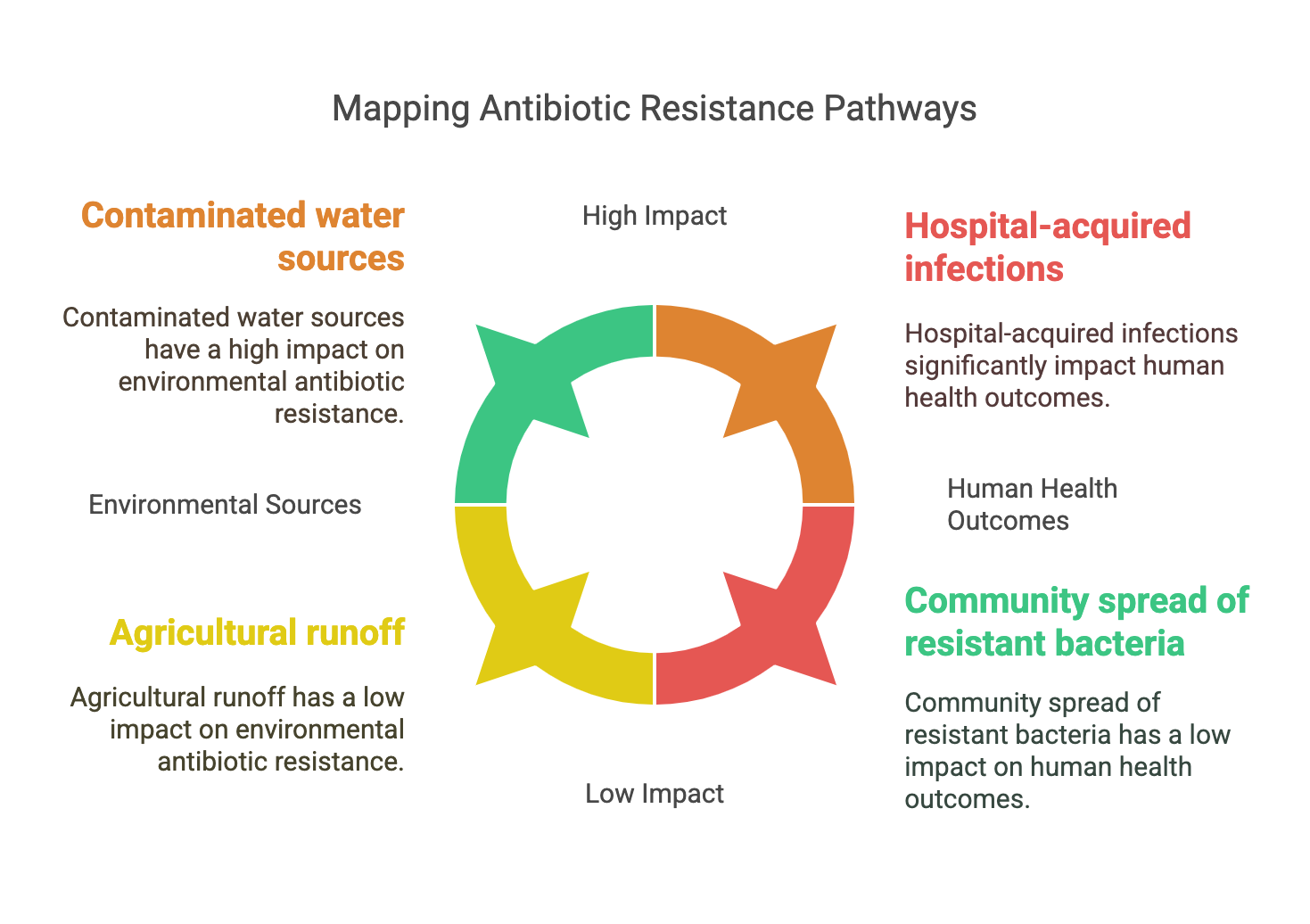
Antimicrobial resistance (AMR) is one of the threats to our world according to the World Health Organization (WHO). Resistance is an evolutionary dynamic process where host-associated microbes have to adapt to their stressful environments. AMR could be classified according to the mechanism of resistance or the biome where resistance takes place. Antibiotics are one of the stresses that lead to resistance through antibiotic resistance genes (ARGs). The resistome could be defined as the collection of all ARGs in an organism’s genome or metagenome. Currently, there is a growing body of evidence
A Deep Learning-Based Benchmarking Framework for Lane Segmentation in the Complex and Dynamic Road Scenes
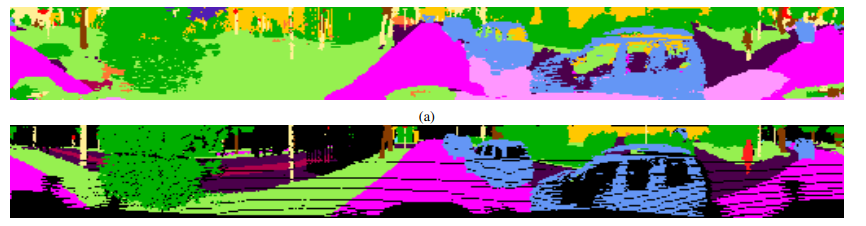
Improved Semantic Segmentation of Low-Resolution 3D Point Clouds Using Supervised Domain Adaptation
One of the key challenges in applying deep learning to solve real-life problems is the lack of large annotated datasets. Furthermore, for a deep learning model to perform well on the test set, all samples in the training and test sets should be independent and identically distributed (i.i.d.), which means that test samples should be similar to the samples that were used to train the model. In many cases, however, the underlying training and test set distributions are different. In such cases, it is common to adapt the test samples by transforming them to their equivalent counterparts in the
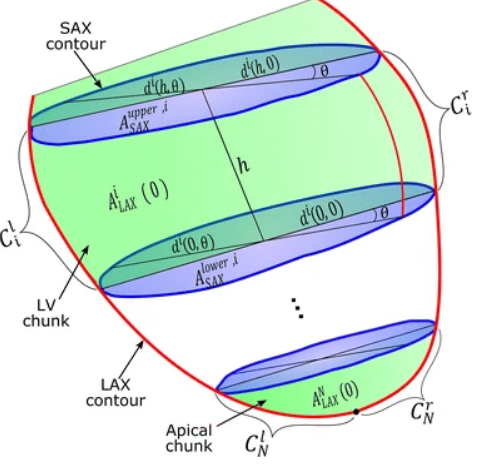
Improved estimation of the cardiac global function using combined long and short axis MRI images of the heart
Towards Efficient Online Topic Detection through Automated Bursty Feature Detection from Arabic Twitter Streams
Detecting trending topics or events from Twitter is an active research area. The first step in detecting such topics focuses on efficiently capturing textual features that exhibit an unusual high rate of appearance during a specific timeframe. Previous work in this area has resulted in coining the term "detecting bursty features" to refer to this step. In this paper, TFIDF, entropy, and stream chunking are adapted to investigate a new technique for detecting bursty features from an Arabic Twitter stream. Experimental results comparing bursty features extracted from Twitter streams, to Twitter
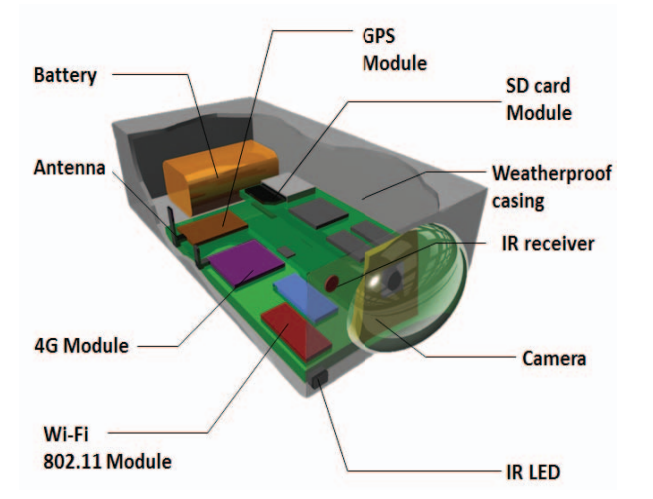
Traffisense: A smart integrated visual sensing system for traffic monitoring
Intelligent camera systems provide an effective solution for road traffic monitoring with traffic stream characteristics, such as volumes and densities, continuously computed and relayed to control stations. However, developing a functional vision-based traffic monitoring system is a complex task that entails the creation of appropriate visual sensing platforms with on-board visual analytics algorithms, integration of versatile technologies for data provision and stream management, and development of data visualization techniques suitable for end-users. This paper describes TraffiSense, a
An approach for extracting and disambiguating arabic persons' names using clustered dictionaries and scored patterns
Building a system to extract Arabic named entities is a complex task due to the ambiguity and structure of Arabic text. Previous approaches that have tackled the problem of Arabic named entity recognition relied heavily on Arabic parsers and taggers combined with a huge set of gazetteers and sometimes large training sets to solve the ambiguity problem. But while these approaches are applicable to modern standard Arabic (MSA) text, they cannot handle colloquial Arabic. With the rapid increase in online social media usage by Arabic speakers, it is important to build an Arabic named entity