
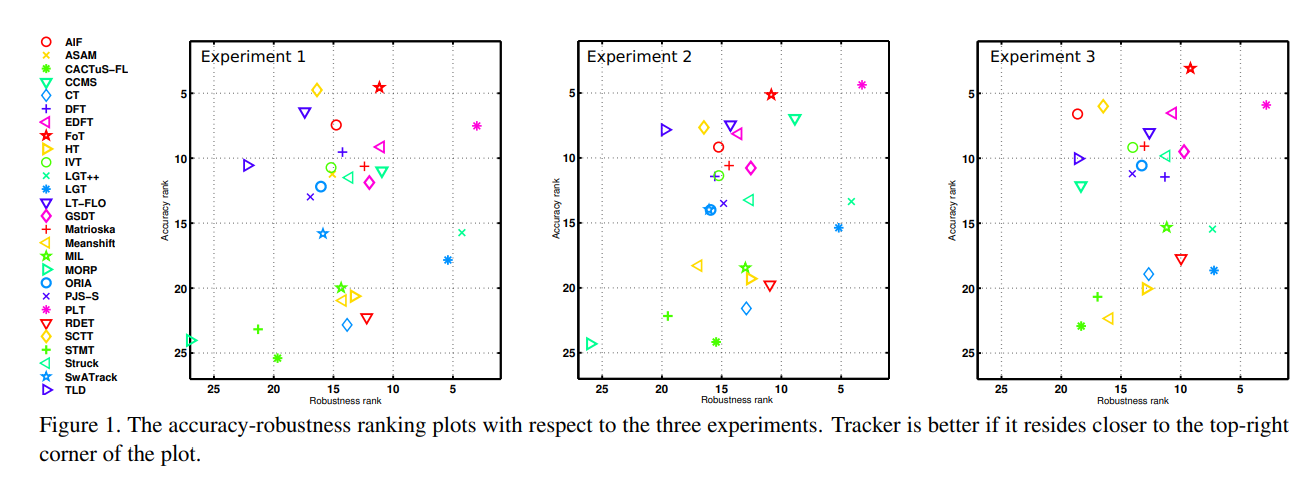
The visual object tracking VOT2013 challenge results
Visual tracking has attracted a significant attention in the last few decades. The recent surge in the number of publications on tracking-related problems have made it almost impossible to follow the developments in the field. One of the reasons is that there is a lack of commonly accepted annotated data-sets and standardized evaluation protocols that would allow objective comparison of different tracking methods. To address this issue, the Visual Object Tracking (VOT) workshop was organized in conjunction with ICCV2013. Researchers from academia as well as industry were invited to participate

Creating an innovative generic virtual learning lab
The use of multimedia technology and gamification has offered an alternative way of delivering information in education. Interactive Multimedia has the potential to revolutionize the way we work, learn and communicate. With gamification and interactive multimedia, the learning process becomes active, not passive and it ensures that users are doing, not simply watching. Also the Laboratory has a great role in enhancing students' skills as it is a vital environment of a variety of activities and experiments in which science is delivered. In this paper we introduce our concept of designing a

Robust scale-invariant object tracking
Tracking by detection methods are becoming increasingly popular in recent years. They use samples classified in previous frames to detect object in a new frame. These methods have shown successful results. However, due to the self updating nature of this approach, tracking by detection methods usually suffer from object drift. Inaccurately detected samples are added to the training set which degrades the performance. Another problem is that the object may change in shape and size which increases the potential for inaccurate detection and subsequently the chance of losing the object. We propose
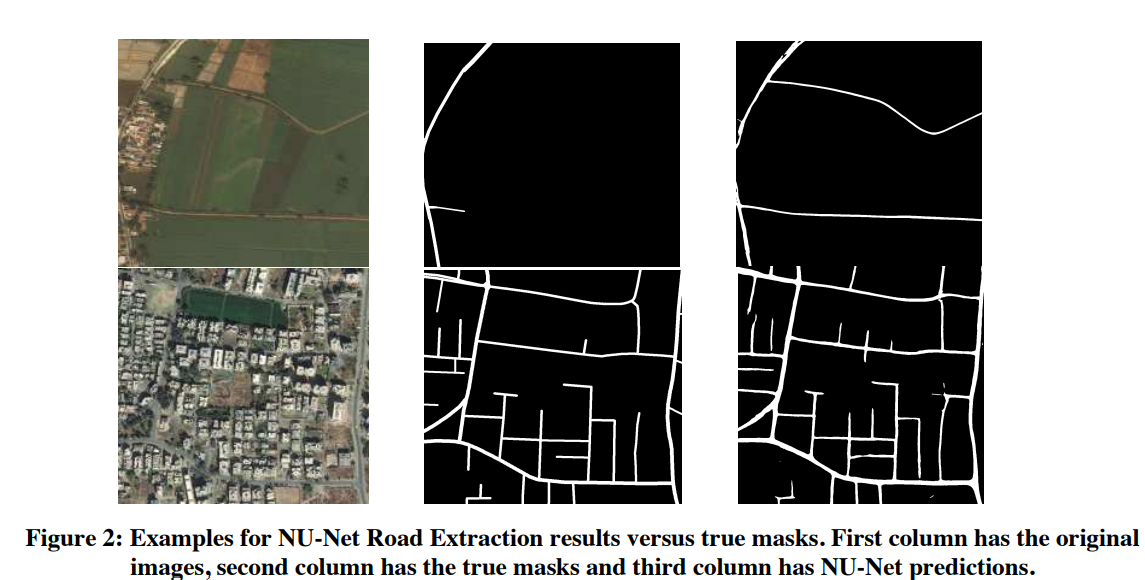
NU-Net: Deep residual wide field of view convolutional neural network for semantic segmentation
Semantic Segmentation of satellite images is one of the most challenging problems in computer vision as it requires a model capable of capturing both local and global information at each pixel. Current state of the art methods are based on Fully Convolutional Neural Networks (FCNN) with mostly two main components: an encoder which is a pretrained classification model that gradually reduces the input spatial size and a decoder that transforms the encoder's feature map into a predicted mask with the original size. We change this conventional architecture to a model that makes use of full
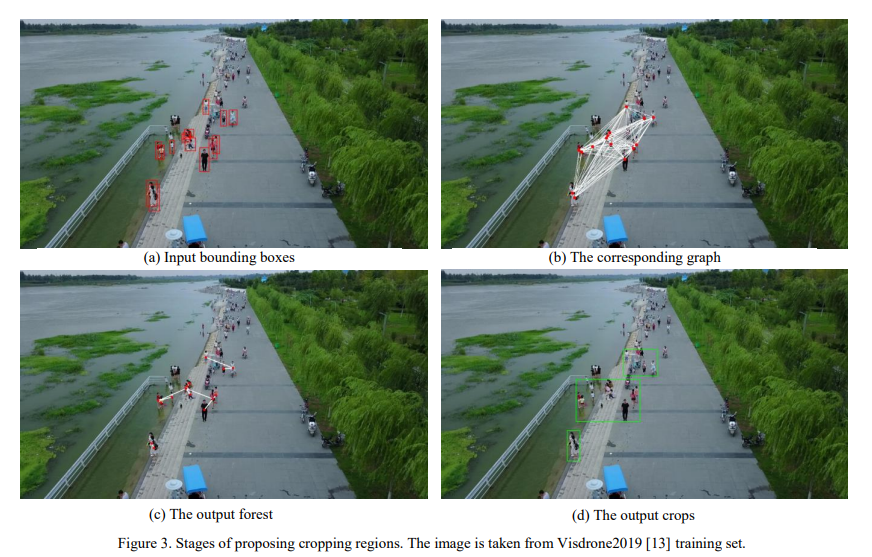
Robust real-time pedestrian detection on embedded devices
Detection of pedestrians on embedded devices, such as those on-board of robots and drones, has many applications including road intersection monitoring, security, crowd monitoring and surveillance, to name a few. However, the problem can be challenging due to continuously-changing camera viewpoint and varying object appearances as well as the need for lightweight algorithms suitable for embedded systems. This paper proposes a robust framework for pedestrian detection in many footages. The framework performs fine and coarse detections on different image regions and exploits temporal and spatial
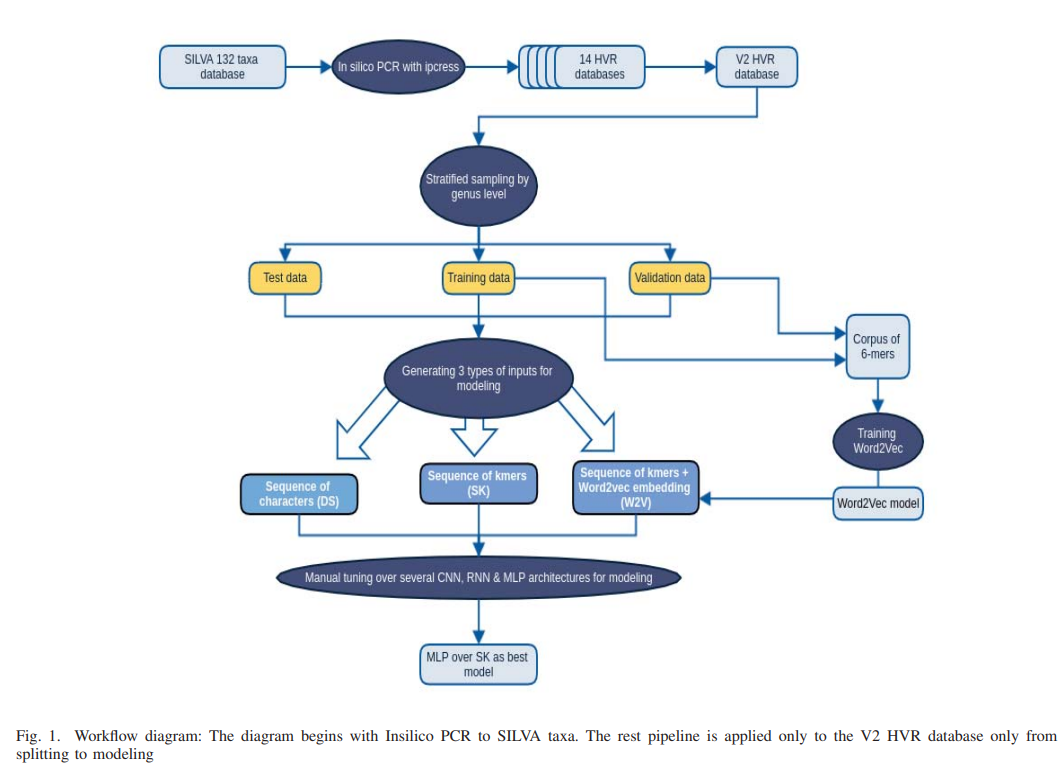
AmpliconNet: Sequence Based Multi-layer Perceptron for Amplicon Read Classification Using Real-time Data Augmentation
Taxonomic assignment is the core of targeted metagenomics approaches that aims to assign sequencing reads to their corresponding taxonomy. Sequence similarity searching and machine learning (ML) are two commonly used approaches for taxonomic assignment based on the 16S rRNA. Similarity based approaches require high computation resources, while ML approaches dont need these resources in prediction. The majority of these ML approaches depend on k-mer frequency rather than direct sequence, which leads to low accuracy on short reads as k-mer frequency doesnt consider k-mer position. Moreover
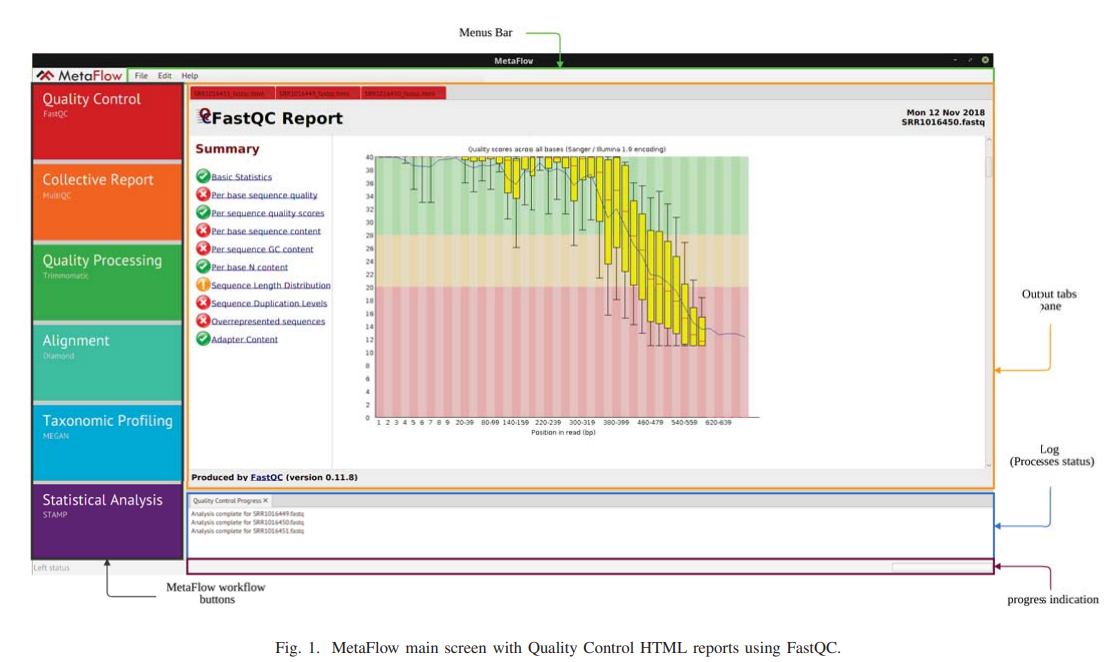
MetaFlow: An interactive user-friendly workflow for automated analysis of whole genome shotgun sequencing metagenomic data
Metagenomics is a rapidly emerging field that is concerned with the study of microbial communities 'microbiomes' on both levels of taxonomic classification and functional annotation. Targeted amplicon (16S rRNA) and whole genome shotgun (WGS) sequencing are the two main sequencing strategies in metagenomics. As amplicon sequencing provides a cheap way to classify the composition of a microbial community, it lacks the ability to identify microbial genes and annotate its corresponding functions. On the other hand, WGS sequencing allows further investigation of the complete genomes with all
Role of TGF-β1 and C-Kit Mutations in the Development of Hepatocellular Carcinoma in Hepatitis C Virus-Infected Patients: in vitro Study
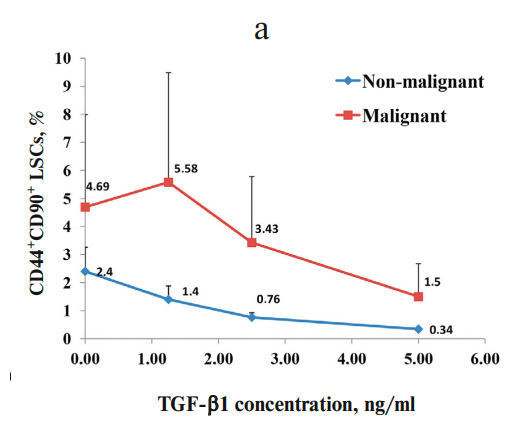
Transforming growth factor beta (TGF-β) acts as a tumor-suppressing cytokine in healthy tissues and non-malignant tumors. Yet, in malignancy, TGF-β can exert the opposite effects that can promote proliferation of cancer cells. C-Kit plays a prominent role in stem cell activation and liver regeneration after injury. However, little is known about the cross-talk between TGF-β and C-Kit and its role in the progression of hepatocellular carcinoma (HCC). Here, we studied the effect of increasing doses of TGF-β1 on CD44+CD90+ liver stem cells (LSCs) and C-Kit gene expression in malignant and
A computed tomography-based planning tool for predicting difficulty of minimally invasive aortic valve replacement
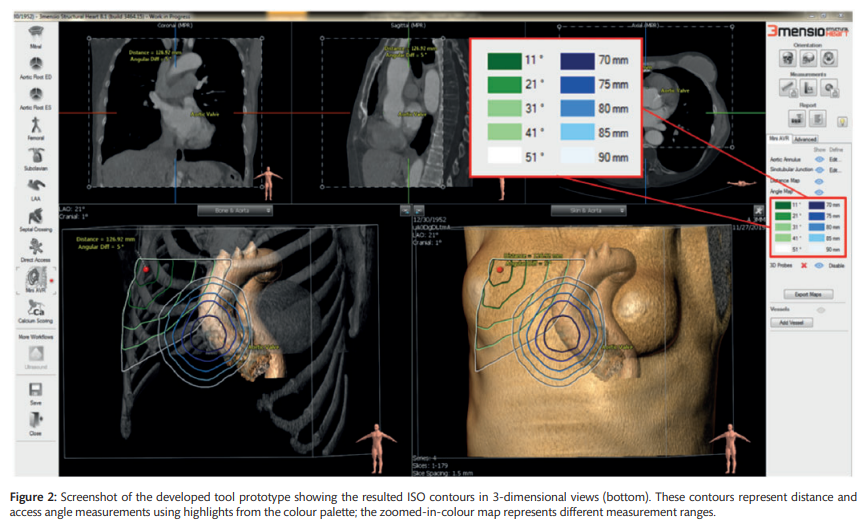
OBJECTIVES Minimally invasive aortic valve replacement has proven its value over the last decade by its significant advancement and reduction in mortality, morbidity and admission time. However, minimally invasive aortic valve replacement is associated with some on-site difficulties such as limited aortic annulus exposure. Currently, computed tomography scans are used to evaluate the anatomical relationship among the intercostal spaces, ascending aorta and aortic valve prior to surgery. We hypothesized that quantitative measurements of access distance and access angle are associated with
Deep Ensemble Learning for Skin Lesion Classification from Dermoscopic Images
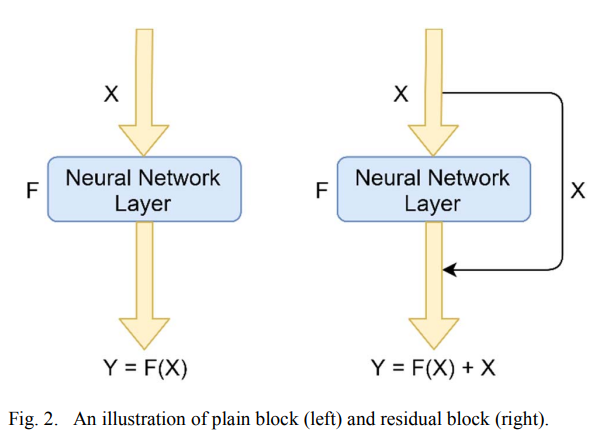
Skin cancer is one of the leading causes of death globally. Early diagnosis of skin lesion significantly increases the prevalence of recovery. Automatic classification of the skin lesion is a challenging task to provide clinicians with the ability to differentiate between different kind of lesion categories and recommend the suitable treatment. Recently, Deep Convolutional Neural Networks have achieved tremendous success in many machine learning applications and have shown an outstanding performance in various computer-assisted diagnosis applications. Our goal is to develop an automated